The Future of Beverage R&D: Six Innovation Priorities That Will Shape the Next Five Years
The beverage industry is being fundamentally reshaped. Consumers no longer expect drinks simply to refresh them. They increasingly expect beverages to hydrate, energise, calm, support digestion, provide protein, replace alcohol or fit a healthier lifestyle. Taste remains essential, but function has become a core purchase driver. For R&D teams, this means innovation can no longer start with ingredients or technologies, it has to start with understanding the consumer need first.
The beverage industry is being fundamentally reshaped. Consumers no longer expect drinks simply to refresh them. They increasingly expect beverages to hydrate, energise, calm, support digestion, provide protein, replace alcohol or fit a healthier lifestyle. Taste remains essential, but function has become a core purchase driver. For R&D teams, this means innovation can no longer start with ingredients or technologies, it has to start with understanding the consumer need first.
One of the biggest innovation challenges is separating fads from future growth. Social media can create overnight beverage sensations, such as the Cloud Coffee which became a mainstream menu item. However, many other viral drinks disappeared almost as quickly. For R&D teams operating on 18-24 month development cycles, chasing every TikTok trend isn’t sustainable. R&D must develop for the enduing consumer need behind the trend and innovate limited editions which provide a fast, low-risk way to test cultural moments before committing to full-scale innovation.
Having worked with innovation teams across food and beverage, these are the biggest shifts I believe will define beverage innovation over the next three to five years and what they mean for R&D.
1. Functional Beverages Are Becoming the New Standard
The global functional beverage market has moved firmly into the mainstream and was valued at around $165 billion in 2025 and is projected to reach more than $316 billion by 2033. Consumers increasingly expect drinks to actively support their lifestyle rather than simply quench thirst. We’re seeing innovation across protein, gut health, hydration, energy, cognitive support, alcohol alternatives and emotional wellbeing.
One of the most compelling stories in beverages right now is the breakout category rise of protein sodas, where soda culture is colliding with the dominant functional demand of the moment. Recent launches from Clean Simple Eats, Genius Gourmet and SkyPop demonstrate how quickly this category is moving, while PepsiCo continues expanding its protein portfolio across Muscle Milk, Propel and Starbucks beverages.
The challenge for R&D is delivering high protein levels while maintaining carbonation, stability, mouthfeel and great taste. The brands that solve these formulation challenges first will define this category.

2. GLP-1 Is Changing Beverage Innovation at a Structural Level
As adoption of Ozempic, Wegovy and Mounjaro continues to grow, beverage consumption behaviours are changing alongside them. The consumer expectation has shifted and every beverage is expected to deliver a tangible functional or emotional benefit alongside it. With GLP-1’ users experiencing reduced appetite, lower sugar consumption, reduced alcohol intake, greater need for hydration and protein to support muscle retention these shifts are reshaping entire categories.
R&D teams need to recognise the broader consumer needs emerging from these behavioural shifts and build smarter hydration and improve nutritional density into beverage products.
3. Gut Health Has Officially Gone Mainstream
PepsiCo’s launch of Pepsi Prebiotic Cola and its acquisition of Poppi signal that digestive health is no longer confined to specialist wellness brands, it has moved into the mainstream soda category. Ingredients including cassava fibre, soluble corn fibre and inulin are rapidly appearing in new product development.
The next challenge for R&D is delivering clinically credible functionality while maintaining an enjoyable sensory experience consumers will purchase repeatedly.

4. No & Low Alcohol Is About Better Choices
Consumers increasingly want flexibility rather than abstinence and they’re choosing when to drink alcohol rather than avoiding it completely. Behaviours like “zebra striping”, alternating alcoholic and non-alcoholic drinks during the same occasion, highlight how social occasions themselves are changing.
For R&D must recreate the ritual, flavour complexity, mouthfeel and experience people associate with drinking to win in market.
5. Premium Has Been Redefined
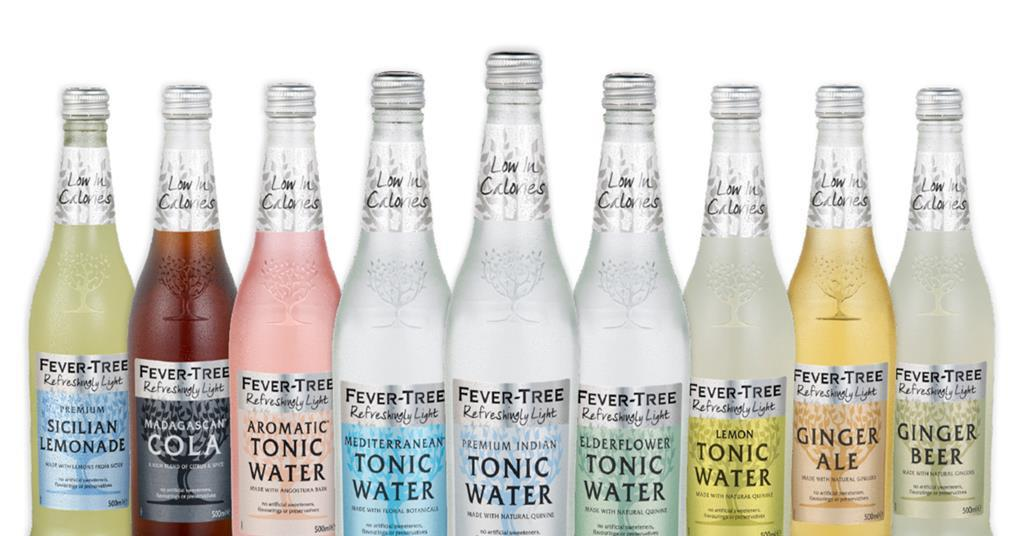
Premium no longer means luxury packaging or expensive ingredients alone. It means better ingredients, provenance, sophisticated flavour, elevated mouthfeel, authenticity and meaningful storytelling. Brands like Fever-Tree demonstrate that premium and accessible are no longer opposites.
Packaging has moved beyond protection and compliance and the functionality must now build trust, communicate sustainability, tell a brand story and improve consumer engagement. From my panel at the Empak Packaging Innovation Symposium with experts from Haleon R&D, Connect Packaging and Brand Design, one message stood out: packaging strategy needs to be built into innovation from day one, not added at the end. Key developments include measurable sustainability, refill systems, QR-enabled connected packaging, NFC technology, aluminium cans and limited-edition storytelling.
R&D need to consider packaging as part of the consumer experience and incorporate it into early-stage innovation briefs.
6. Innovation Priorities Are Diverging Across Global Markets
Asia Pacific continues to lead ingredient innovation, the Middle East and Africa are seeing rapid growth driven by health-conscious younger consumers but the US remains the fastest-moving functional beverage market. Europe places greater emphasis on credibility, regulation and naturality whilst Latin America is creating opportunities around stress management, hydration and accessible nutrition.
Global innovation pipelines should not assume one trend translates equally across every market, local consumer needs matter.
Where Beverage Innovation Is Heading Next
Over the next three to five years, I expect six major innovation platforms to shape beverage development:
- GLP-1-driven nutrition
- protein across unexpected beverage categories
- multi-benefit formulations
- maturation of the no/low alcohol category
- regional flavour crossover
- AI-assisted personalised nutrition
The common thread across all of them is consumers increasingly expect one product to solve multiple needs without compromising taste. At Untapped Innovation®, we use deep qualitative research to understand those unmet needs before defining the product Attributes, identifying the technical Mechanisms and validating them through iterative prototyping using our Untapped Ideal Product Model™.
While the technologies and ingredients behind beverage innovation will continue to evolve, one principle remains constant: taste always comes first. Consumers increasingly expect beverages to help them wake up, wind down, hydrate, recover, focus, replace alcohol or support a healthier lifestyle. The challenge for R&D is not to start with the latest functional ingredient or emerging technology, but to first understand the consumer’s Job To Be Done.
By identifying the functional and emotional need a beverage is solving, R&D teams can define the product attributes that consumers will actually notice before selecting the technical mechanisms, ingredients and formats needed to deliver them. This consumer-first approach enables innovation that is not only technically feasible but also commercially relevant, creating beverages that solve multiple needs without compromising on taste or experience.
f you’re interested in this topic, read my Beverage Daily article for further insights, or explore our Food & Drink case studies to see how Untapped Innovation® has helped brands turn consumer needs into commercially successful food and beverage innovations.