
Beyond the Product: Why Understanding People Is Beauty R&D’s Competitive Advantage
As beauty becomes more personal, inclusive and community-led, the challenge knowing what is worth developing in the first place. The businesses that succeed are those that connect genuine consumer understanding with scientific rigour, technical capability and commercial judgement, ensuring the people they are developing for remain central to their decisions.
As beauty becomes more personal, inclusive and community-led, the challenge is knowing what is worth developing in the first place. Are we getting close enough to consumers to understand what will genuinely make a difference to them?
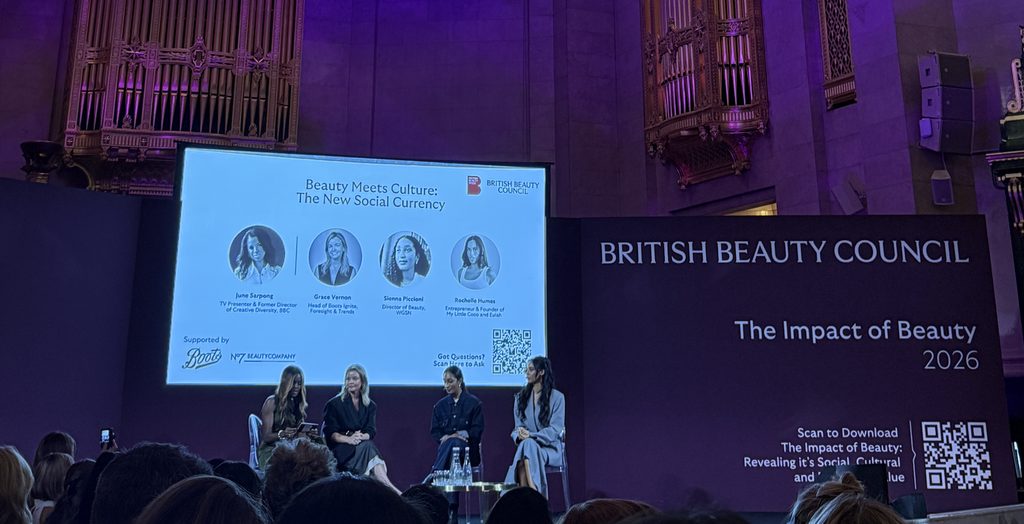
At the British Beauty Council’s Industry Day, conversations were centred around representation, community, wellbeing and the changing relationship between beauty brands and their consumers which brought an important shift into focus. Consumers are becoming more vocal about their needs, more discerning about the promises brands make and more interested in the people and values behind the products they buy.
For R&D leaders, this presents both an opportunity and a challenge. We have more ways than ever to hear what consumers are saying, but hearing them is not the same as understanding them, and understanding them is not the same as translating that knowledge into a product that delivers.
The businesses that succeed are those that connect genuine consumer understanding with scientific rigour, technical capability and commercial judgement, ensuring the people they are developing for remain central to their decisions.
Representation should shape the product, not just the campaign
Mel B’s reflections on growing up with lack of representation surrounding different hair types was a reminder that beauty products are rarely just functional purchases. They are closely connected to identity, confidence and how comfortable people feel being themselves.
For years, many consumers have had to adapt their routines around products that were never truly developed with their needs in mind. From an R&D perspective, this raises an important question: how often are we asking consumers to accommodate the limitations of our products, rather than developing products around the realities of their lives?
Genuine inclusion begins with how we define the consumer need. It should influence who participates in research, how we interpret their experiences, the performance criteria we establish and how we assess whether a formulation is delivering.
Consider the difference between developing a product for a broadly defined hair category and understanding the specific frustrations, routines and desired outcomes of people with different curl patterns and hair textures. The latter requires more thoughtful research and a more nuanced technical brief, potentially challenging assumptions about conditioning, manageability, styling performance and sensory expectations. But it also creates the opportunity to develop something meaningfully better.
Representation matters in brand communication, but its greatest value is realised when it changes the decisions we make during product development. Feeling seen should extend to the experience of using the product itself.
Community creates the connection. R&D must turn it into understanding.
The discussions around founder-led beauty brands, including Rochelle Humes’ reflections on building close relationships with consumers, demonstrated the value of understanding the people a brand serves.
Founder-led businesses often have a personal connection to the problem they are trying to solve. They hear directly from their communities, respond to feedback and build relationships that feel more like conversations than traditional brand communication. That closeness is a significant advantage in an industry where personal experience, identity and trust matter so much.
Rachel Shelowitz, CEO of Saltair, captures this well in a recent article:
“The dialogue with the community is the goal; the channel is just where it happens. That’s why we keep investing in connection as we grow. The platform can change, but the relationship is the asset.”
For innovation teams, this places the emphasis on the relationship itself as communities offer an ongoing understanding of how people’s needs and expectations are changing, provided businesses are prepared to listen beyond the immediate feedback.
There is, however, an important distinction between having access to consumer feedback and identifying the deeper insights that lead to better products.
A consumer might say that a product feels too heavy, that their skin doesn’t feel comfortable after use or that they struggle to find something suitable for their hair. Those comments are useful starting points, but they are not yet a product specification. R&D teams need to understand the experience behind the comment, the circumstances in which it occurs, the alternatives consumers are using and what improvement would be meaningful enough to change their behaviour. Only then can we translate that understanding into informed decisions about formulation, format, application, performance, packaging and cost.
This matters across the industry, from emerging founder-led businesses to established global beauty brands. The opportunity is to create a stronger connection between what consumers genuinely value and what R&D teams are being asked to deliver.
Where scientific rigour meets lived experience
Another important theme was the growing relationship between beauty and wellbeing, particularly consumer interest in efficacy, ingredients and scientific evidence. This creates opportunities for R&D, but it also brings greater responsibility as consumers encounter an increasing volume of claims, ingredient stories and competing advice.
Trinny Woodall‘s reflections on making sophisticated science accessible reinforced the importance of connecting technical expertise with the needs and understanding of the people using the products.
For R&D leaders, the challenge is to develop products with demonstrable benefits that are relevant, noticeable and communicated responsibly. A technically sophisticated formulation may perform exceptionally well against a laboratory measure, but if that performance does not translate into an experience or outcome the consumer recognises and values, we need to question how meaningful the innovation really is. Equally, an attractive claim cannot compensate for a product that fails to deliver consistently.
Consumer understanding should therefore inform the performance measures we select and the substantiation strategies we develop, rather than being considered only once the formulation is complete. The strongest innovations connect the outcome consumers are seeking with the technical evidence needed to demonstrate that the consumer needs have been met.
Earning the second purchase
Social commerce has transformed how quickly beauty products can gain attention, particularly when brands have engaged communities willing to share recommendations and experiences. But visibility and loyalty are not the same thing.
A trend, compelling founder story or enthusiastic recommendation may encourage someone to try a product, while repeat purchase depends on whether the experience lives up to their expectations. Consumers who feel connected to a brand may be more willing to discover its products, but that relationship needs to be supported by something worth returning to.
R&D must understand the underlying consumer need well enough to develop a product with lasting relevance. That means considering the benefit delivered, the sensory experience, how the product fits into someone’s routine and whether it can perform consistently at a commercially viable cost. A strong community can encourage trial, but product performance is what helps sustain the relationship.

Turning deep consumer insights into product advantage
The discussions about the wider social value of beauty, including the role of salons, high streets and everyday human connections, were a reminder of something that can get lost when we spend our working lives discussing markets, claims and technical performance. Beauty is deeply personal.
For one person, the right product might mean feeling confident wearing their natural hair. For another, it might mean finding a routine that works for changing skin needs, or simply enjoying a few minutes of care in a busy day. Those experiences are difficult to capture through product attributes alone, but they are fundamental to understanding what makes a product valuable.
This is where R&D has an opportunity to play a more influential role in innovation strategy. R&D teams should be involved in defining the consumer problem from the outset, working with consumer insight, marketing and commercial colleagues to challenge assumptions, explore unmet needs and agree what success should look like before development begins. The quality of the brief has a profound influence on the quality of the product, and the quality of the brief depends on how well we understand the person it is intended to serve. Connecting these considerations earlier can help reduce ambiguity in product development, create better briefs and support stronger decisions about where to invest R&D resources.
For R&D leaders, this means bringing three considerations together: the value a product creates for consumers, the technical ability to deliver that value and the commercial reality of bringing it to market. When these are considered in isolation, teams risk investing in technically impressive products without a compelling consumer benefit, or pursuing attractive concepts that prove difficult to formulate, substantiate or manufacture at the right cost. Connecting them earlier creates better briefs, more focused development and stronger decisions about where to invest R&D resources.
This is an approach we explore in our recent report, Better products. Better beauty businesses, which examines how beauty businesses can translate close consumer relationships into stronger product development decisions. The report focuses particularly on founder-led beauty businesses, but the underlying challenge is relevant to R&D teams of every size: how do we turn what we know about consumers into products that genuinely deliver?
After a day of thoughtful conversations about representation, science, community and human connection, that feels like an especially important question. The competitive advantage in beauty R&D is knowing how to bring the two together to create products that make people feel understood, deliver on their promises and earn a lasting place in their lives.
