Five shifts reshaping packaging innovation for R&D
I had the pleasure of chairing the FMCG stage and here are five things I took away from the day.
A pack needs to communicate value instantly, create a distinctive brand experience, work efficiently through manufacturing and supply chains, use materials responsibly and perform within recycling systems. Packaging has always required R&D teams to balance multiple demands but, the number of variables and the interdependencies between them are growing. Speaker sessions at London Packaging Week demonstrated changing perceptions of value and increasingly complex packaging briefs. With the pressures of circular design and ever-changing regulatory requirements, R&D must also take into account Extended Producer Responsibility (EPR) and Deposit Return Schemes (DRS).
I had the pleasure of chairing the FMCG stage and here are five things I took away from the day.
1. Design the pack around what users value
Packaging is key to the consumer experience and communicating value but, consumers are becoming more intentional and scrutinising which is a reflection of cost-of-living pressures, climate instability, global conflict, AI disruption and changing social norms. A pack has around three seconds to do its job and therefore every choice R&D make (shape, material, texture, opening experience, colour, graphics, claims) can reinforce a product’s story or work against it. It’s therefore crucial for R&D to obtain deep user insights to understand which attributes really matter to the user and make sure the technical choices support them.
Greg Clayton from Ipsos and Haneefa Buckley from PRS IN VIVO shared their “great value reset” framework which highlighted how value and clarity are delivered through six key factors: Reason, Integrity, Culture, Identity, Experience and Wellbeing. Importantly, these factors need to work together to tell a cohesive story about what the product and brand do, who they are and what the user gets. For R&D, that means understanding which elements of the pack experience can best reinforce that story, rather than making technical choices in isolation.
2.Address complexity before it becomes rework
There are numerous considerations R&D must make: brand proposition, user needs, market trends, competitive context, print and finish, sustainability goals, countries of sale, operational requirements, regulation, materials, recyclability, recycled content, on-pack claims and total cost of goods, including EPR fee. All of these add to the pressure R&D already face when innovating.
Claire Hoe and Gillian Garside-Wright from Aura talked about how the packaging brief itself has evolved and that these considerations must be tackled collaboratively with consumer insight at the core. Bringing R&D, packaging, product, design, marketing, regulatory, sustainability and manufacturing together earlier, creates clarity around what the pack needs to deliver. That clarity reduces the risk of costly rework later and ultimately helps teams move faster.
3. Make the trade-offs work harder
It’s easy for R&D to see requirements as competing constraints, but the right constraints can create clarity around what matters most. Schweppes recognised that its existing bottle was heavy, relatively unstable on the production line and carried a large label. In redesigning it, the team used thinner glass, improved the centre of gravity and stability, reduced the label size, moved to paper and removed inks. At the same time, they dialled up the premium experience through details including the Schweppes sash, an updated fountain motif and carefully considered embossing, while retaining the brand’s heritage. The result is a pack, initially for on-trade, that uses less glass, performs better in manufacturing and reduces cost and environmental impact, while remaining recognisably Schweppes and strengthening its premium cues.

4. Context reveals the real requirements
Understanding how a product is actually used can reveal requirements that a technical brief alone will miss. Francisco Nogueira from Coca-Cola and Sam Lucking from Unhidden shared the development of the new Schweppes Skittle bottle, where research with bartenders proved particularly valuable. The team observed that bottles are often stored end-on in fridges, meaning bartenders serving at speed rely on the colour of the cap to distinguish between variants. That insight elevated cap colour from an aesthetic choice to a Must Have pack attribute and one that enabled the pack to do the job the user needed it to do.
5. Think beyond the consumer journey
PackUK administers packaging EPR, shifting the cost of managing household packaging waste towards producers and creating stronger incentives for more circular choices. Esther Carter’s update highlighted how recyclability now has a direct financial dimension. Under the Recyclability Assessment Methodology (RAM), relevant household packaging is rated red, amber or green according to its recyclability, with those ratings feeding into the disposal fees producers pay.
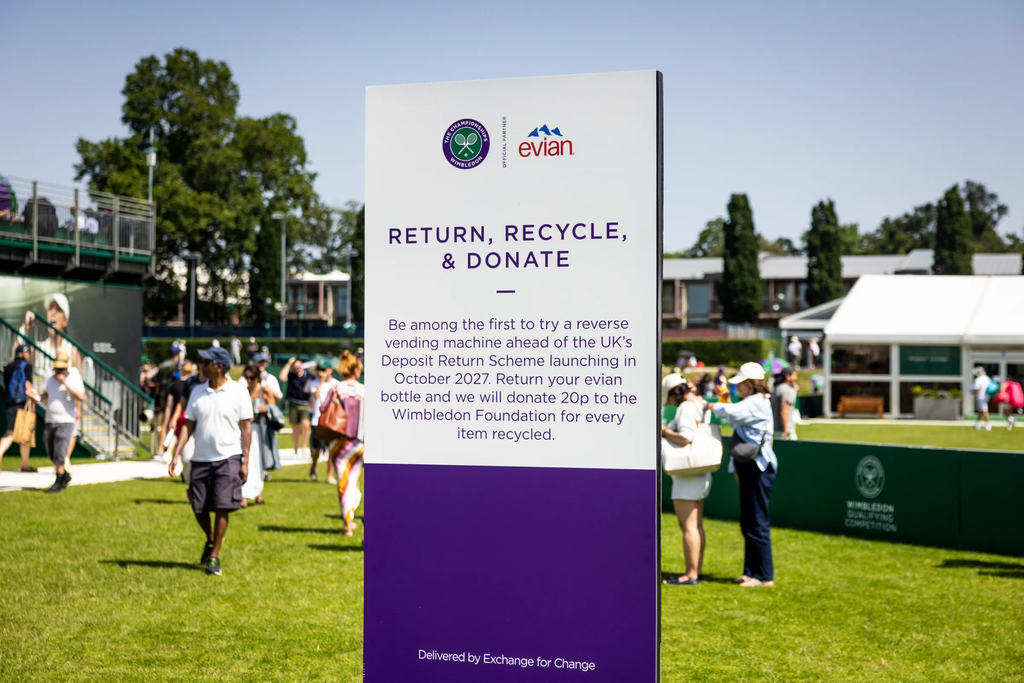
For R&D, material and format choices therefore have implications beyond product performance because they can directly affect cost. The DRS panel reinforced how systemic these considerations have become, spanning labelling and barcodes, IT systems, logistics, store layouts and return points, staff training, communications and consumer behaviour.
We spend a lot of time in R&D understanding the user journey, but packaging development increasingly needs to understand the material journey with the same rigour, from manufacture and use through to collection, sorting, recovery and reuse. Alexie Sommer from URGE Collective suggested taking designers into waste facilities to see first-hand what happens to products and materials at end of life. Seeing the realities of end of life can fundamentally change how R&D approaches packaging design.
As regulatory, sustainability, cost and manufacturing demands increase, this broader understanding helps R&D make better-informed trade-offs, protecting the Must Have attributes users value while identifying new opportunities to innovate.

We’ve previously explored how consumer-first packaging is evolving beyond protection and compliance; increasingly, R&D also needs to understand what happens after the consumer has finished with the pack → insights from Empak 2026
Clarity creates speed
Deeper insight into what users value, alignment around the story that the product will tell through its packaging and early visibility of the requirements that matter, give R&D a stronger basis for decision-making. Get those right upstream, and R&D can make better informed trade-offs, reduce rework, move with greater confidence, and accelerate development without compromising what ultimately makes the product successful in market.