How R&D Teams Can Avoid the Rabbit Hole of Polarised Niche Trends
In today’s fragmented, AI-driven market, innovation teams risk chasing amplified micro-trends instead of real human needs. This article explores how R&D teams can cut through cultural noise, avoid the “rabbit hole” of niche trends, and refocus on meaningful, need-led innovation.
In a fragmented, economically pressured and AI-accelerated market, innovation teams face a growing risk: building for the loudest micro-trend rather than the most meaningful human need. At Untapped, we hardwire future trends into all innovation projects, as consumers can only tell us about their experiences and desires based on their world today.
Four years ago, we spoke with semiotic and cultural expert David Panos about the cultural implications of innovating in a post-pandemic world, as part of our efforts to be future-focused. At the time, we discussed themes of digitisation, polarisation and convergence. We’ve continued those discussions with David since and seen that those dynamics have only intensified.
For R&D teams today, the challenge isn’t simply spotting trends. It’s knowing which signals represent real shifts in user behaviour and which are just noise amplified by algorithms.
Three cultural pressures shaping innovation in 2026
- Economic compression
Value has become non-negotiable. Across categories, consumers are scrutinising what products genuinely deliver. There is less appetite for excess and more focus on performance, durability and clear benefit. Products like IKEA’s Vappeby speaker lamp reflect a growing focus on practical, multi-functional value – combining lighting and sound in a simple, accessible format.

- Growth of ‘Premium’ and ‘Functional’
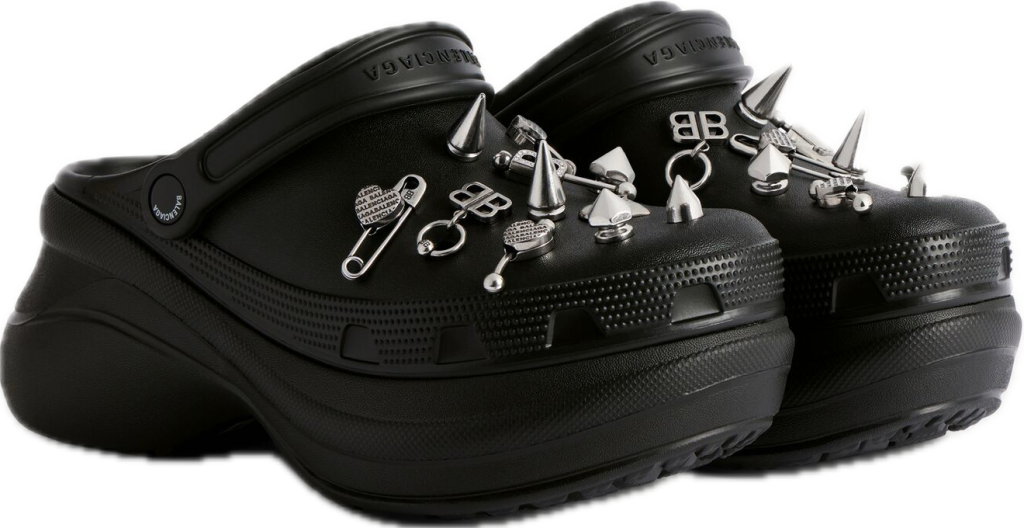
Consumers are gravitating to extremes, depending on different need states. There are moments or users that desire straight-forward functionality and value and other moments when they seek premium, more indulgent solutions. The middle has been squeezed out. Brands like John Lewis, once the epitome of mid-market premium now provide a value line for many offerings. Alternatively, a once everyday brand like Crocs is doing limited editions with stellar upmarket brands like Balenciaga.
- Algorithm fragmentation
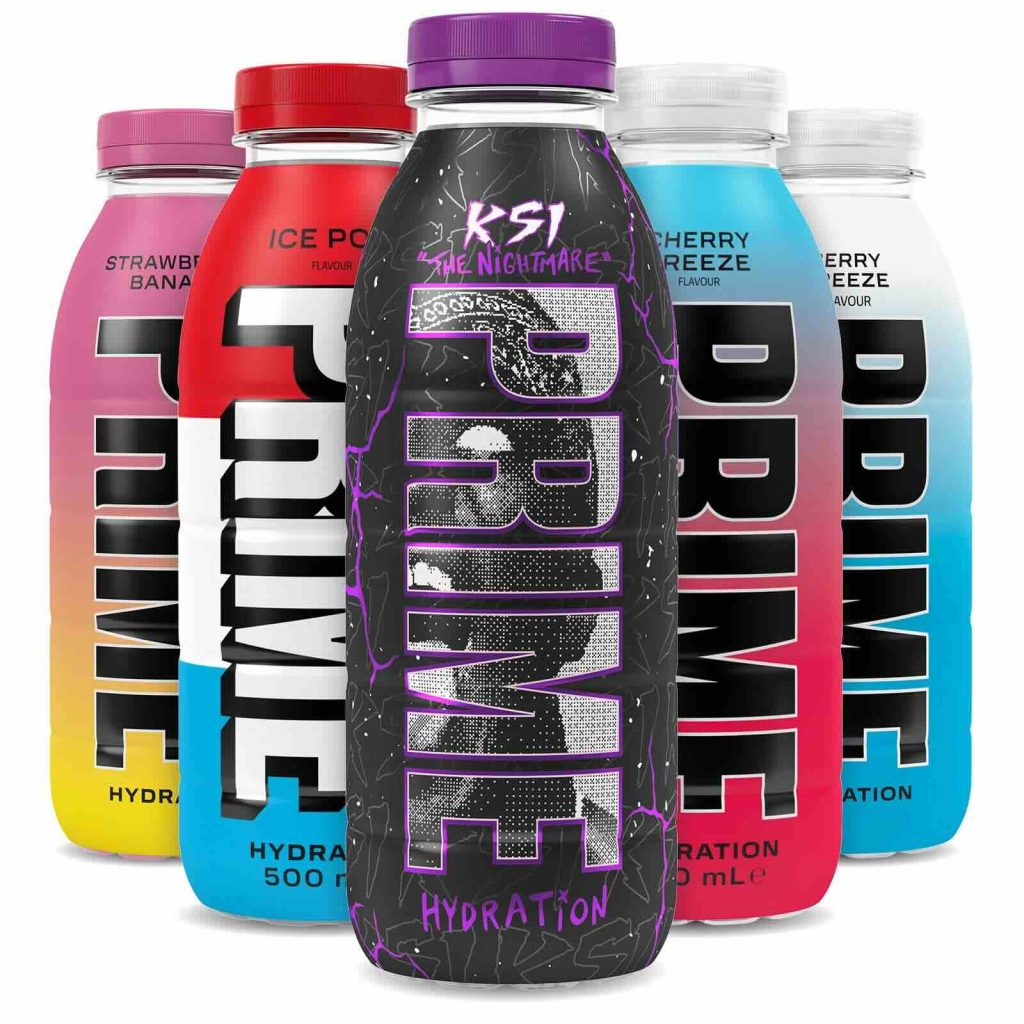
Digital platforms now surface hyper-specific trends and communities. Micro-tribes form around niche interests, which can make small signals appear much larger than they really are. For innovation teams, this creates a dangerous illusion: that every emerging micro-trend represents a meaningful growth opportunity. The rapid rise of products like Prime Hydration shows how algorithmic amplification can make niche trends feel bigger than they really are. The challenge for innovation teams is knowing what will last, not just what is visible.
The rabbit hole of niche trends
When innovation teams respond to the loudest signal rather than the most meaningful need, they can fall into the ‘rabbit hole’. Products start to be designed around isolated features, technologies or aesthetic cues linked to a particular trend. The result can be an innovation pipeline that chases cultural noise rather than building lasting product value. Over time this can blur core value propositions and weaken long-term brand equity.
As David Panos observed in our earlier conversation, economic realities are increasingly putting “a greater sense of functionality” on people. In other words, products must justify their place in everyday life more clearly than ever before.
The rise of convergence
One of the most interesting cultural shifts today is convergence. Rather than choosing between opposing values, consumers increasingly expect products to integrate them. We see this across multiple categories, for example:
- Healthy and indulgent
- Premium and affordable
- Aesthetic and functional
Instead of polarised extremes, users are navigating their complex lives and expecting products to do the same.
For innovation teams, this insight is critical. Convergence helps prevent the rabbit hole because it anchors product features in real human needs rather than cultural extremes.
Where organisations often get stuck
Many organisations still operate with a structural disconnect. Marketing briefs often respond to cultural signals, trends and narratives. R&D briefs can too heavily reflect technical feasibility alone.
But increasingly, product and brand are becoming inseparable. As David put it, “the material of the product is becoming the marketing.” The functional experience of the product increasingly is the positioning.
Product design decisions now communicate just as loudly as campaigns. Packaging format, sensory attributes, and performance cues are all signals of value and meaning.
When R&D is siloed from commercial thinking, teams can unintentionally over-engineer features that lack relevance to the user or narrative clarity.

Why cross-functional collaboration matters more than ever
Avoiding polarised niche traps requires tighter integration between functions. Innovation works best when marketing, insights and R&D operate as a connected system rather than separate disciplines.
For the product, this also means recognising that stripping back can be as strategic as building up. Instead of asking what additional features can be added, teams must ask a different question:
Which product attributes actually matter most to users?
Identifying the critical ‘Jobs’ a product must perform and the ‘Attributes’ required to deliver them allows teams to focus innovation effort where it most creates value.
From trend-led to need-led innovation
The real shift happening in innovation today is a move from trend-led thinking to need-led thinking that still has a future focus. Cultural signals still matter. But they must be interpreted through the real-life context of users.
Generational shifts, economic pressures and digital fragmentation mean there is rarely a single universal solution. Different user groups navigate different tensions in their daily lives. Understanding those tensions is where meaningful innovation begins.
That’s why we often work with R&D teams to identify the product Jobs and Attributes that deliver the highest value, while removing unnecessary complexity that adds cost without improving the user experience.
Making this shift requires a cultural change inside organisations. R&D can no longer operate as a siloed technical engine. It must be integrated with user insight and brand thinking from the outset.
The future of innovation will belong to teams who:
- Start with real user context rather than trend headlines
- Translate cultural signals into meaningful product jobs and attributes
- Connect R&D, marketing and insight teams around a shared product story
In a world of endless signals and accelerating trends, the real competitive advantage may simply be this:
Staying anchored in what actually matters to the people using the product.
Click here to watch:
Cultural Insights and Innovation in a Post-Pandemic Era | Sally Kemkers in Conversation with David Panos

Written by Sally Kemkers
Ge in touch 📧 sally.kemkers@untappedinnovation.com