What FMCG R&D Leaders Can Learn From The Beauty Industry’s Legal Minds
At the Beauty & Wellness Law Summit in London, legal experts revealed how regulation, claims, and consumer trust are reshaping innovation in beauty. For FMCG R&D leaders, the message was clear: the future of product development goes far beyond formulation.
Image: Florence Adepoju
Innovation in beauty is usually discussed through the lens of ingredient science, consumer trends and sustainability. But at the inaugural Beauty & Wellness Law Summit in London, a different group of experts offered a powerful perspective on where the industry is heading. The room was filled with lawyers, founders, investors and product developers. And many of the insights that emerged are critical for the scientists and innovators shaping the next generation of beauty products.
What became clear across the day is that beauty is entering a new phase of maturity. The industry’s future will certainly be shaped by better formulations, and it will also be significantly influenced by how companies navigate evidence, transparency, intellectual property, regulation and consumer trust. In other words, the real innovation challenge is expanding far beyond products and packaging.
What became clear across the day is that beauty is entering a new phase of maturity. The industry’s future will certainly be shaped by better formulations, and it will also be significantly influenced by how companies navigate evidence, transparency, intellectual property, regulation and consumer trust. In other words, the real innovation challenge is expanding far beyond products and packaging.
A Bigger Industry Means Bigger Expectations
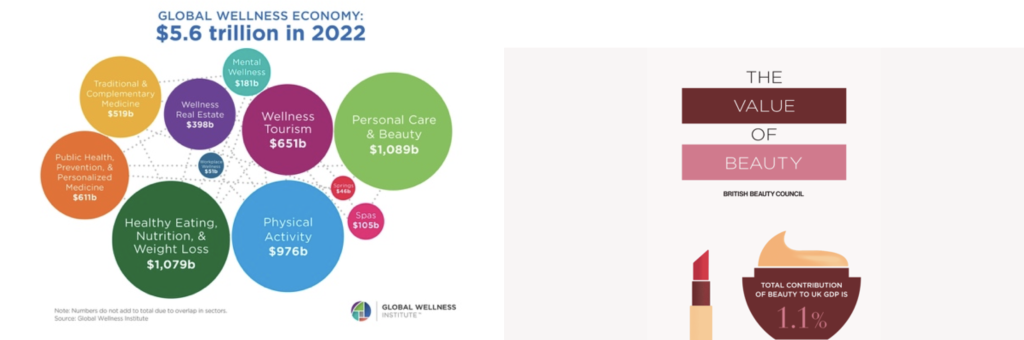
The beauty and wellness ecosystem now spans multiple trillion-dollar categories, from skincare and cosmetics to preventative health and personal wellbeing. This scale now rivals many established industries, and as several speakers noted throughout the summit, this growth brings with it a new level of scrutiny.
Consumers today have unprecedented access to information. Dermatological expertise, ingredient databases and thousands of product reviews sit just a few taps away. Social media has also accelerated the speed at which trends spread and reputations rise or fall. At the same time, regulators are paying closer attention to claims, sustainability promises and product safety.
This combination of consumer awareness and regulatory pressure is creating a very different innovation environment from the one many beauty companies grew up in. As Nina Moïse, Deputy
Chief Legal Officer for EMEA and the Americas at Shiseido, explained during the summit, legal and regulatory considerations now need to be integrated much earlier into product development.
Top Tip for R&D: Bring Regulatory, Legal And Scientific Expertise Together From The Start
The data shows that the innovations that will succeed will be those designed from the outset to stand up to scrutiny, supported by credible evidence and communicated with absolute clarity. Ensure your team brings regulatory, legal and scientific expertise together earlier in the innovation process to stress-test concepts and claims before they reach late-stage development. Structured workshops and deliberate “Claims & Demo Sprints” that explore possible future regulatory and legal scenarios can help teams identify risks and opportunities long before they become barriers.
The Rise Of “Dupe Culture” And The Shifting Meaning Of Value

One of the liveliest discussions at the summit focused on the phenomenon of beauty “dupes”. On platforms like TikTok, creators increasingly showcase lower-priced alternatives to premium products, often claiming that they deliver similar results for a fraction of the cost.
Marianne Helps, Legal Director at Orevon Global, and Adam Vallance, General Counsel at Beauty Pie, explored how this trend is reshaping the competitive landscape. In some cases, dupes sit in a legal grey area between inspiration and imitation. In others, they simply highlight how quickly formulations can be replicated.
Yet the conversation also surfaced a more interesting perspective. The existence of dupes may actually reinforce the value of the original concept. If a product is widely copied, it is often because it has struck a genuine consumer chord, especially amongst those who cannot afford the original.
For R&D teams, the rise of dupes raises an uncomfortable but important question: if formulations and packaging can be reverse-engineered, where does competitive advantage really lie?
In practice, while headline actives can often be replicated somewhat quickly, the deeper formulation architecture (delivery systems, sensorial performance and stability engineering) is far harder to reverse engineer. And leading brands are building significant defensibility through much deeper consumer relationships, sensory desirability, clinical evidence, proprietary active “stacks”, and unique ingredient sourcing. In this sense, innovation is shifting away from creating the “next line extension”, towards creating entire portfolio ecosystems that are much harder to replicate.
Top Tip for R&D: Use Product Stories, Sensory Experiences and “MVP’s” To Maximise RoI
Exercises that map the full consumer experience, from initial discovery to usage rituals to post-purchase engagement can reveal new opportunities for differentiation that go far beyond ingredients. Compelling Product Stories can go beyond inspiring new concepts, to catalysing strategic tool-kits of claims and demos that can be used for distinctive influencer recruitment and elevated retail staff engagement. And Ideal Product Models allow teams to deliberately design signature sensory experiences for the brand, while MVP frameworks help us to consider lower outlay alternatives (e.g. smaller sizes, stripped back versions) when required by different segments and moments.
Science-Based Claims Are More Important Than Ever
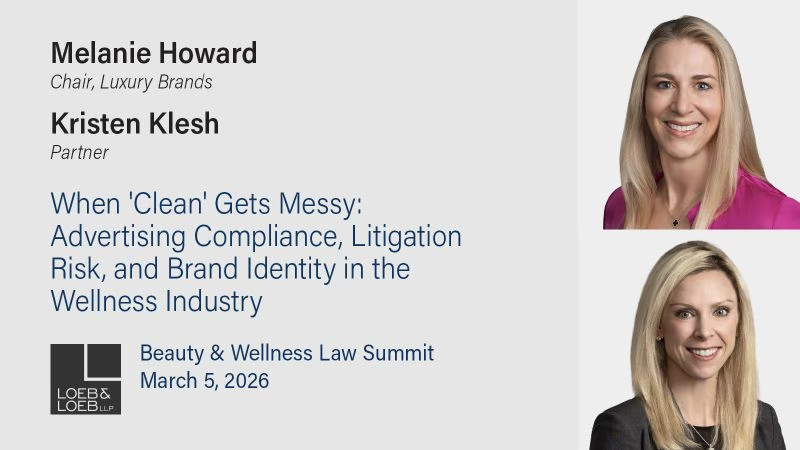
Another recurring theme throughout the summit was the growing tension around product claims. Terms such as “clean”, “natural” and “non-toxic” have become powerful marketing tools in beauty, yet they often lack clear regulatory definitions, especially at the intersection of beauty and wellness, an emerging benefit space with less specific guard-rails.
During the session “When Clean Gets Messy”, Melanie Howard, Chair of the Luxury Brands Practice at Loeb & Loeb, and Kristen Klesh, Partner at Loeb & Loeb, discussed the increasing number of legal challenges linked to ambiguous or unsubstantiated claims. And Peter O’Keeffe, Deputy General Counsel at Manzanita Capital, highlighted how quickly consumer trust can erode when brands are perceived to overstate their credentials.
This shift reflects a broader change in consumer behaviour. People are more informed than ever before, but they are also more sceptical. Social media enables claims to spread rapidly, but it also enables them to be questioned just as quickly.
For R&D teams, this creates a new imperative. Claims cannot simply be layered onto products at the end of the development process, which means increasingly designing studies, protocols and measurement frameworks in parallel with formulation work. Testing protocols, clinical trials and ingredient sourcing strategies increasingly determine not only whether a product works, but whether it can be communicated articulately and responsibly in market.
Top Tip for R&D: Define The Product Story And “Ideal Claims” Before The Formulation Is Locked
The line between R&D and brand storytelling is becoming far more deliberate and interconnected. One useful approach is to define the Product Story and “ideal claims” before the formulation is locked. By starting with the desired outcome a brand wants to credibly demonstrate, teams can design distinctive experiments, testing protocols and ingredient strategies that generate meaningful evidence rather than retrospective justification. And defining these “methods and measures” early on as part of an Ideal Product Model, allows teams to link their product to claim support strategies more deliberately and strategically.
Data Is Transforming How Consumers Discover Beauty
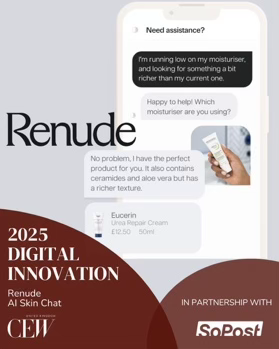
The summit also offered a glimpse of how technology may reshape the relationship between consumers and beauty products. Pippa Harman, CEO and co-founder of the beauty technology platform Renude, and former R&D formulator, described how artificial intelligence and expert consultation are being combined to guide consumers through the overwhelming complexity of skincare.
Modern beauty shoppers face thousands of options, each promising transformative results. Yet very few people have the expertise to understand which ingredients or formulations might actually work for their skin.
Renude’s approach blends AI-driven analysis with human expertise to provide personalised recommendations. Behind the scenes, the platform gathers vast amounts of data on product performance and consumer outcomes. Over time, this dataset becomes a powerful engine for insight.
What is striking about this model is that it reframes beauty innovation around knowledge rather than products. The real value sits not only in the formulations themselves but also in the understanding of how those formulations perform differently for different people.
Top Tip for R&D: Combine The Lab + Real-World Qualitative + Structured Efficacy Data At Scale
For R&D teams, this raises intriguing possibilities. The next generation of product development may rely not just on laboratory testing but on real-world data streams that reveal how products behave in everyday life. As products are in development, consider how deeper consumer insight loops can be built into stage-gates. Increasingly, best in class innovation teams are combining lab data + real-world qualitative usage data + structured real-world efficacy data at scale, to uncover patterns that would otherwise remain invisible.
Regulation Complexity Across Markets
As the beauty industry expands globally, companies must navigate an increasingly fragmented regulatory landscape. Speakers throughout the summit highlighted how requirements differ significantly between the UK, the European Union and the United States e.g. EU Green ClaimsDirective,US class action claims litigation, and UK ASA enforcement.
In some regions, enforcement around claims is tightening. In others, litigation risks are rising as consumers become more willing to challenge brands in court. At the same time, sustainability expectations are growing, placing new pressure on ingredient sourcing, packaging and supply chain transparency.
For companies operating internationally, this complexity creates a constant balancing act. Innovations must not only satisfy consumer needs but also remain viable across multiple regulatory frameworks and jurisdictions.
Top Tip for R&D: Use Deliberate Foresight Exercises To Explore How Regulatory Environments May Evolve
Regulation can often act as a catalyst for better innovation. We strongly recommend that teams use foresight exercises to explore or “war-room” how regulatory environments may evolve over the next decade, helping them design technologies and formulations that will remain viable as the landscape changes. The most forward-thinking R&D organisations are beginning to treat regulatory frameworks as a critical constraint to shape more collaborative, compliant innovation from the outset.
Trust Is Becoming Beauty’s Most Valuable Ingredient
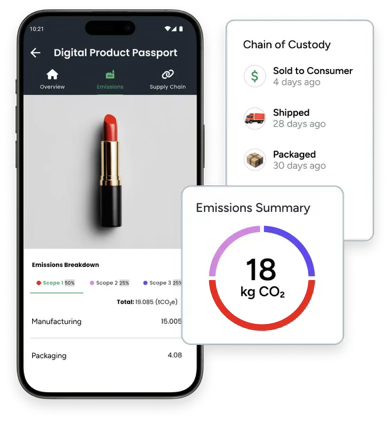
Across multiple sessions, one idea kept resurfacing: the future of beauty will be built on trust. Consumers today want to know where ingredients come from, how products are tested and what evidence supports the claims they encounter. Digital product passports and supply-chain traceability tools are beginning to turn ingredient transparency into a verifiable system rather than a generic or hard to believe marketing claim.
Yet trust cannot be created through technology alone, we must build consistent dialogue with the end user and accurately credential what brands promise and what they deliver. In many ways, this makes the role of R&D even more central than ever before. The scientific foundations of a product increasingly determine whether a brand can stand confidently behind its story.
Top Tip for R&D: Reinforce Credibility And Trust Through Product Cues As Well As Claims
Trust often emerges from small design choices that reinforce credibility. Mapping the full user journey from ingredient sourcing through to consumer-use can help teams identify moments where transparency, evidence or traceability could strengthen consumer confidence, and product passports offer an opportunity to amplify this attention to detail throughout the innovation process.
Collaboration Is More Essential To Innovation Than Ever

Perhaps the most encouraging insight from the summit was the degree to which collaboration is shaping the future of the industry. Founders, lawyers, scientists and investors are increasingly working together to navigate the complexities of modern beauty.
Florence Adepoju, founder of MDMflow, and Namrata Kamdar, founder of Plenaire, spoke about the realities facing emerging smaller brands as they scale. Manufacturing partnerships, intellectual property strategies and regulatory considerations often require specialised expertise long before a company becomes large enough to support dedicated internal teams.
Top Tip for R&D: Hard-Wire Collaborative Teams Between R&D, Regulatory/Legal And Marketing
Design and reward deliberately hard-wired collaboration between R&D, regulatory/legal and marketing to ensure that science, claims and storytelling evolve together. Ideal Product Model Blueprints can unlock multi-disciplinary perspectives that individual teams might not uncover alone. This dynamic is also visible within established organisations. The most successful innovation programmes increasingly rely on extremely tight cross-functional collaboration between R&D, legal, marketing and supply chain teams.
A Final Reflection: Credibility is More Critical Than Ever
If there was a single thread connecting the conversations at the Beauty & Wellness Law Summit, it was this: the beauty industry is entering a phase where credibility matters just as much as creativity.
For R&D leaders across FMCG, this shift presents both a challenge and an opportunity. Scientific ingenuity will always remain at the heart of product development. But the innovations that succeed in the years ahead will be those designed with a broader system in mind, that includes evidence, transparency, regulation and trust.
In a market increasingly shaped by dupes, digital diagnostics and regulatory scrutiny, the companies that thrive will create great products, with a highly articulate, trustworthy eco-system.
Written by Deirdre Walters
Get in touch 📧 deirdre.walters@untappedinnovation.com