Making R&D Even More Business-Critical in 2026: The Power of Atomic Habits
As pressure on R&D teams continues to rise, the biggest gains often come from how we work day to day. These eight atomic habits show how small shifts in behaviour can strengthen commercial relevance and real-world impact in 2026.
As we open 2026, it would be easy to talk about resolutions, bigger innovation agendas, faster pipelines, and more “breakthrough” thinking. But for many people working in R&D, what matters most right now is not ambition alone, but repeatable processes that focus on the how behind making meaningful progress day to day. R&D teams are navigating a period of adjustment and organisations are being reshaped, budgets are under closer scrutiny, expectations around speed and impact are increasing and the arrival of January can amplify that sense of pressure. At the same time, R&D teams continue to carry significant technical responsibility, often working at some distance from the real-world contexts their innovations are designed to serve.
This is exactly why Atomic Habits by James Clear became one of our books of 2024-2025, and why we have just started 2026 with the Atomic Habits workbook. What resonated so deeply with us was the idea that real progress doesn’t come from grand gestures or sweeping change programs, but from small, repeatable actions that reduce activation energy, lower inertia, and compound quietly over time. When we look at R&D organisations and R&D work through this lens, it becomes clear how powerful this thinking could be if applied deliberately to our technology pipelines.
R&D teams often struggle to demonstrate business impact not because the work lacks value, but because it is sometimes driven by product or technology developments (vs consumer or commercial needs), making it more vulnerable to challenge, misunderstanding, or over-simplification. Atomic Habits offer a potential way to bridge the technical, consumer and commercial worlds, through small, disciplined shifts in how we work every day.
Below are 8 “atomic habits” designed specifically for R&D teams who want to be more business-critical, more influential, and more resilient in 2026.
1. Maximise product potential by noticing positive user journey moments
As scientists and engineers, we are trained to look for problems, failures, and friction and that skill is always invaluable. But one small habit that dramatically elevates impact is paying equal attention to moments where products exceed expectations, especially in an emotional context. In a past project we worked on, a respondent who worked as airline cabin crew told us she travelled with a specific brand of tumble dryer sheets so that every hotel room she stayed in “smelled just like home.” This insight wasn’t prompted by the specific research objective, but noticing and valuing it unlocked entirely new technical and sensory Attributes (comforting fragrance profiles, compact formats) and new storytelling narratives with highly distinctive, more emotional claims and demos.
2. Apply 5-WHY thinking to consumers and shoppers (as well as their products)
Most R&D professionals are fluent in 5-WHY analysis, originally popularised by Toyota and Sakichi Toyoda, as a way to get to the root cause of technical issues. Applying that same discipline to human behaviour is a small shift with disproportionate compounding returns. Asking “why” repeatedly of consumer reactions, preferences, and rejections allows R&D teams to move past surface insights and develop more differentiated solutions grounded in real human drivers, full of nuance and genuine tension. Teams that use this muscle consistently become better at identifying where technology can genuinely create user-value, rather than simply improving through an incremental product-only lens.
3. Buddy up across functional silos to collaboratively smash KPI’s
A report from E&Y in 2025 states that corporate restructuring rose in Europe in 2024 and continued to rise through 2025, and while employees understand that these changes are inevitable, it can acutely erode inter-disciplinary relationships over time. Softer skills are more in demand than ever according to EURES, and it is also critical for R&D to truly elevate their business impact using these skill sets. One of the most effective atomic habits we see is simple, consistent relationship-building with key interfaces (marketing, insights, manufacturing) through regular virtual coffees, walking meetings, or informal check-ins. When paired with highly collaborative, structured tools likeIdeal Product Model Blueprints, these conversations create shared language and mutual respect across very different KPIs.

Untapped’s Ideal Product Model Blueprints
4. Put tangible prototypes into real-world hands, early and often
Words are powerful, but they are also slippery. We once had a respondent tell us emphatically that they would never want a “round” product in a category, only to spend the next five minutes repeatedly touching an “oval” prototype on the table. We joked with them that “for someone who didn’t want a round prototype, you seem very interested in that one”, they laughed and said “ah but this one is oval, you didn’t say oval”. And this kind of insight only emerges when stimulus is highly tangible. In this context the critical R&D habit to cultivate is using rough, imperfect prototypes early and often in development to help calibrate consumer conversations and translate abstract user feedback into hyper-clear technical specifications.
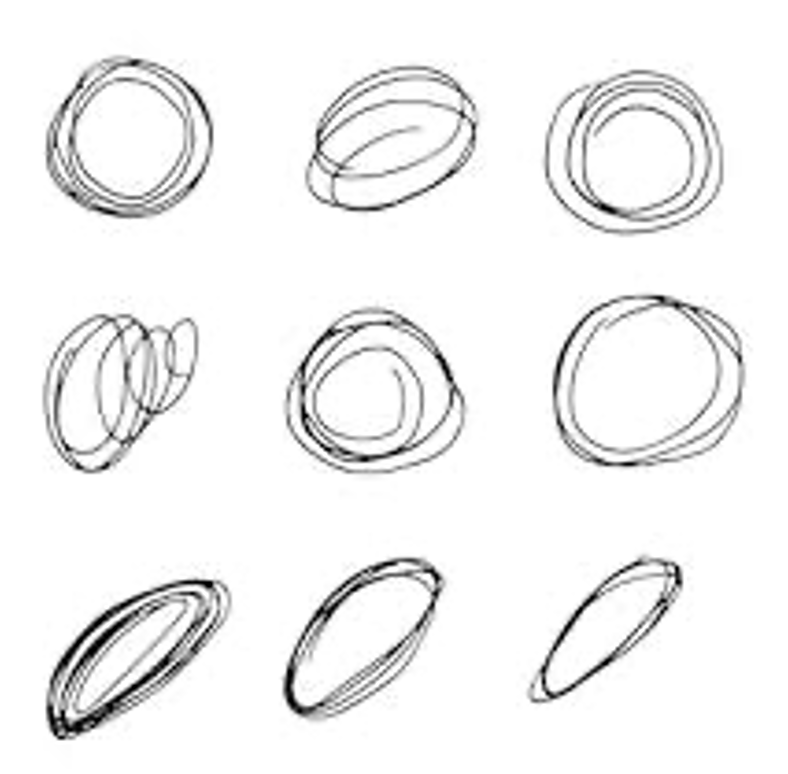
Is it a circle or an oval?
5. Build articulacy “muscle” through fishbone analysis
People who know us at Untapped will recognise this discussion: education systems often separate budding scientists and engineers from their peers very early on, prioritising technical depth while unintentionally neglecting communication articulacy. Over time, this can erode R&D’s natural ability to fully express the value of its own work, and we regularly see teams create extraordinary technologies that struggle to reach their commercial potential simply because they are hard to explain. One way to address this pain point is using an elegant “habit” from Japan, specifically in the form of Kaoru Ishikawa’s fishbone diagram. Originally designed to visualise and solve problems, fishbone analysis can also be applied to new Technology Modes of Action, helping R&D teams articulate points of difference in a visual way that commercial partners can easily grasp. Used consistently, this simple habit builds confidence, clarity, and connection and, over time, translates into greater commercial success.
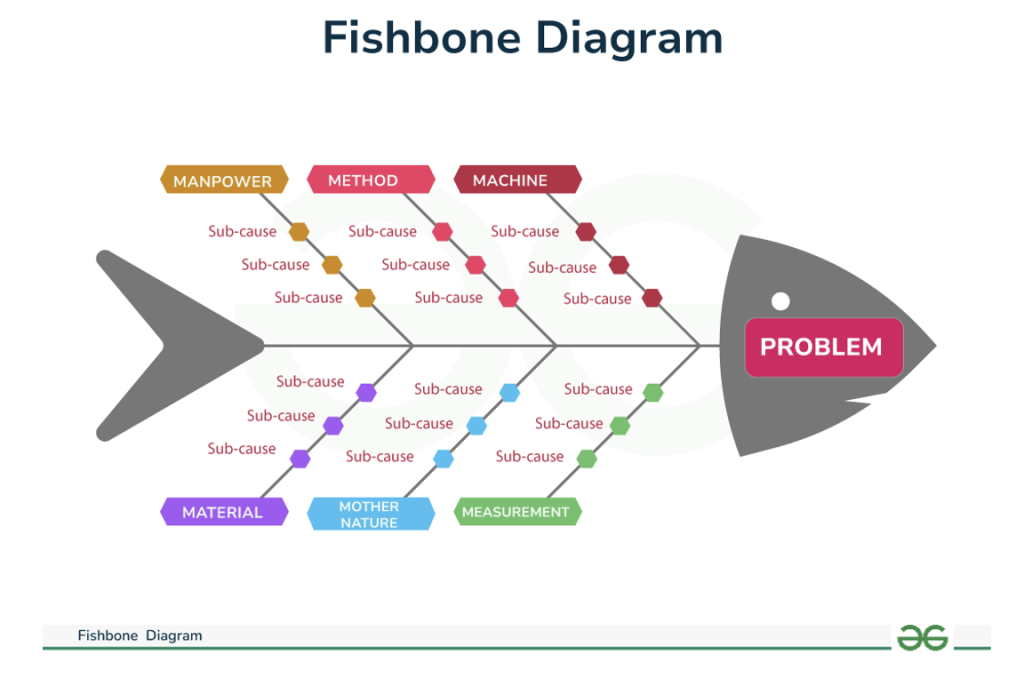
Image courtesy of GeeksforGeeks
6. Elevate commercial engagement through story, not just facts
Facts feel safe, objective, and reliable, which is why R&D teams often default to (lots of) them. But stories are up to 20 times easier to understand, remember, and act on. The atomic habit here is learning and repeatedly using specific story frameworks such as Untapped’s Product Story Arc, specially designed for R&D teams, to preserve scientific robustness while adding emotional clarity and narrative tension. These Product Story Arcs clearly explain why a product has been invented and the value it will bring to the consumer, and when used frequently and consistently, they help amplify technical integrity, making products significantly easier to champion, protect, and commercialise over time.
7. Practice discipline in idea development
If you don’t follow Tom Fishburne on LinkedIn or via the marketoonist.com we strongly suggest that you do. His frequent cartoons showcase the easy traps that we all fall into when developing new products and ideas, and the cartoons shown below are great examples of how new ideas can be quickly de-railed for a variety of reasons. Frequent exposure to these clever points of view can reassure you that you are not alone, but also importantly help you to regain a sense of discipline amongst your project team and in your own development processes.

Image courtesy of Tom Fishburne

Image courtesy of Tom Fishburne
8. Get out of the office, frequently
Recent posts from Grace Vernon from Boots and the elevation of in store experiences (think Holland & Barrett, Sephora, Space NK, and other leading beauty brands) and highly topical product launches (e.g. M&D nutrient dense) highlight the importance of getting out from behind our desks and into the store, frequently. Watching and noticing how people shop, what they ask the store attendants, and what they talk about when shopping with others all provides (free!) insight into what matters most and why. Plus this highly sensorial experience breaks us out from our daily routines helping to stimulate new claims, demos and product ideas.
Looking Ahead
Applying atomic habits to R&D work doesn’t lower our ambition, it significantly raises the probability of our business success. Small, repeatable actions compound into stronger pipelines, clearer product stories, faster time to market, and technologies that are easier to protect and scale.
In a year where resources remain constrained and expectations remain high, these habits offer a way for R&D teams to increase their impact, confidence, and business relevance without burning out.
And for those interested, a new book specifically written for R&D teams by Untapped Innovation focusing on the how behind making meaningful R&D commercial progress, will be launching in June 2026, Untapping Innovation: An R&D Playbook for Products and Stories That Sell.
Pre-orders are already available HERE.

Here’s to a year of small habits, deeply practiced, and the meaningful commercial progress they create.