Exploring the Future of Health: Adjacent Trend Insights from WIRED Health 2025
The WIRED Health Conference in London highlighted the future of healthcare, extending beyond medicine to consumer health and lifestyle. Innovations like microbiome-friendly habits and AI-driven longevity have major implications for FMCG brands, influencing skincare, nutrition, and home-care industries.
This week, I hugely enjoyed the WIRED Health Conference in London, hosted by Greg Williams, Deputy Global Editorial Director at WIRED. While the focus of the event was firmly on the future of healthcare and medicine, the insights shared extend far beyond the realm of biotech and AI-driven drug discovery.
Healthcare, after all, doesn’t exist in a vacuum, it is deeply intertwined with consumer health, lifestyle choices, and the vast array of products we all use daily. From microbiome-friendly lifestyle choices, to AI-led breakthroughs in longevity and drug discovery, these conversations point to broader implications for FMCG brands and their role in shaping the future of well-being.
So rather than looking at these innovations solely through the lens of medicine, let’s explore them as an ‘adjacent category’ trend space, unpacking the ‘so what’ for FMCG and what these advancements could mean for industries like skincare, nutrition, home-care, food and beverage and beyond.
Here are the key takeaways from the conference and what they could signal for the future of health-driven consumer goods:
Dame Sally Davies: Tackling Anti-Microbial Resistance with AI
Dame Sally Davies of Trinity College addressed one of the biggest challenges in modern medicine: anti-microbial resistance (AMR). She highlighted how leading universities such as MIT, alongside private-sector innovators, are leveraging artificial intelligence to fast-track drug development. With AMR on the rise, AI-driven discovery is enabling scientists to navigate complex bacterial resistance mechanisms more efficiently than ever before. By accelerating the development of novel antibiotics and treatment strategies, AI is becoming a crucial tool in the fight against superbugs.
So what for fmcg? How might we collaborate with AMR research scientists to inform the development of new hand washes and skin lotions with easy-to-understand claims, demos and endorsements?
Dr. Daphne Koller: AI for Smarter Drug Discovery
Dr. Daphne Koller, founder of Insitro, also reinforced the power of AI as a transformative force in drug discovery. She positioned traditional drug development as akin to ‘taking a stab in the dark’, leading to frequent inefficiencies and high costs. AI, however, is shifting the paradigm, enabling researchers to form ‘high-conviction hypotheses’ before investing in expensive R&D. By integrating AI into in-vitro processes, companies are now creating models that are faster, more predictive, and significantly more cost-effective. This represents a massive step forward in how we develop healthcare therapeutics.
So what for fmcg? How might we use AI tools to develop ‘high-conviction hypotheses’ for new formulation development e.g. using Ideal Product Models with AI to forge the development of new ingredients and products with meaningful sensory experiences?
Steve Horvath: Epigenetic Clocks and the Science of Aging
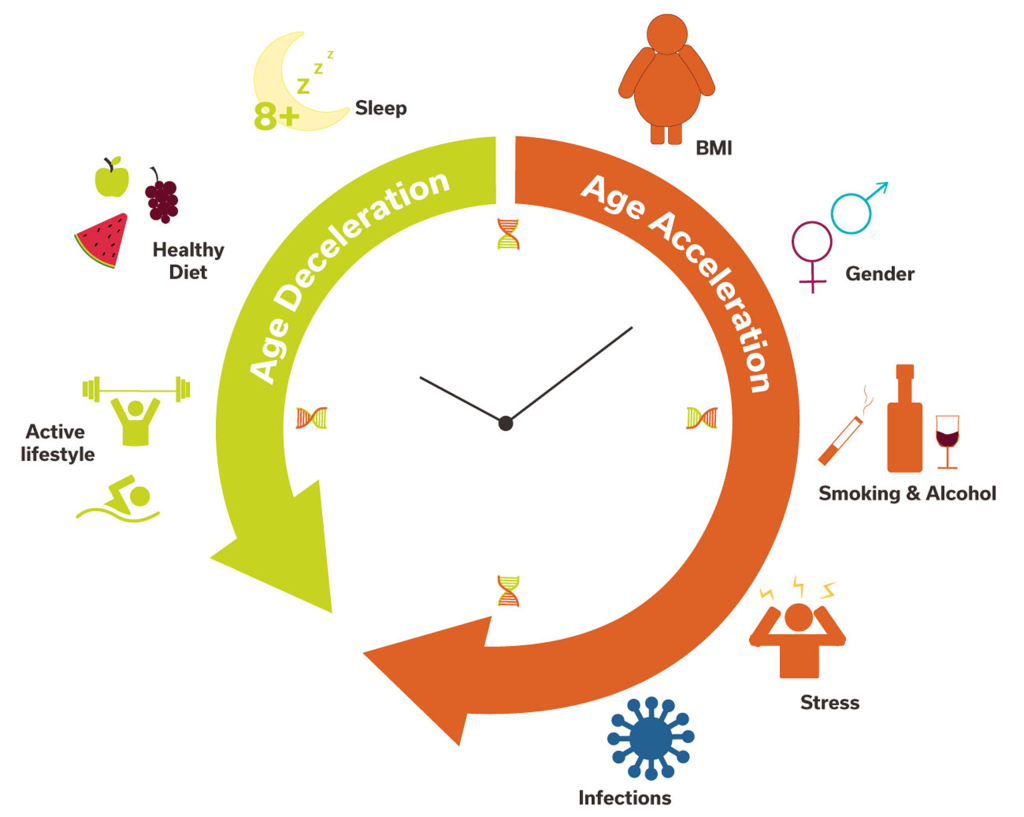
Steve Horvath of ALTOS Labs introduced us to the revolutionary concept of epigenetic clocks, a method to measure biological aging. His research focuses on how external factors, such as diet, environment, and lifestyle choices, influence the speed at which we age. My take-home message? Take your Omega-3! This growing field of research is unlocking ways to slow down aging at a cellular level, with significant implications for longevity and age- related diseases.
So what for fmcg? Could we translate the concept of the epigenetic clock into an everyday way to view our lifestyle choices and enable healthy habit formation and decision making?
Reid Hoffman: AI, Biology, and the Urgency of Interdisciplinary Innovation
Reid Hoffman, the founder of LinkedIn and author of Super-Agency, offered a thought- provoking perspective on the deep linguistic parallels between biological processes and large language models in AI. He emphasised the importance of interdisciplinary collaboration, particularly in the context of AI-driven research and development. He made a strong call for UK and European organisations need to accelerate their use of AI, as he strongly believes that the future belongs to those who are willing to engage and innovate more proactively.
So what for fmcg? Collaborate, collaborate, collaborate. It’s clear that the future belongs to those who live in the ‘interdisciplinary’ world. Ensure R&D is working hand in glove with their business teams, ensure the private sector maximises game-changing university research programs, and ensure public sector policy is collaboratively enabled by emerging technologies.
Ara Katz: The Microbiome’s Expanding Role in Health
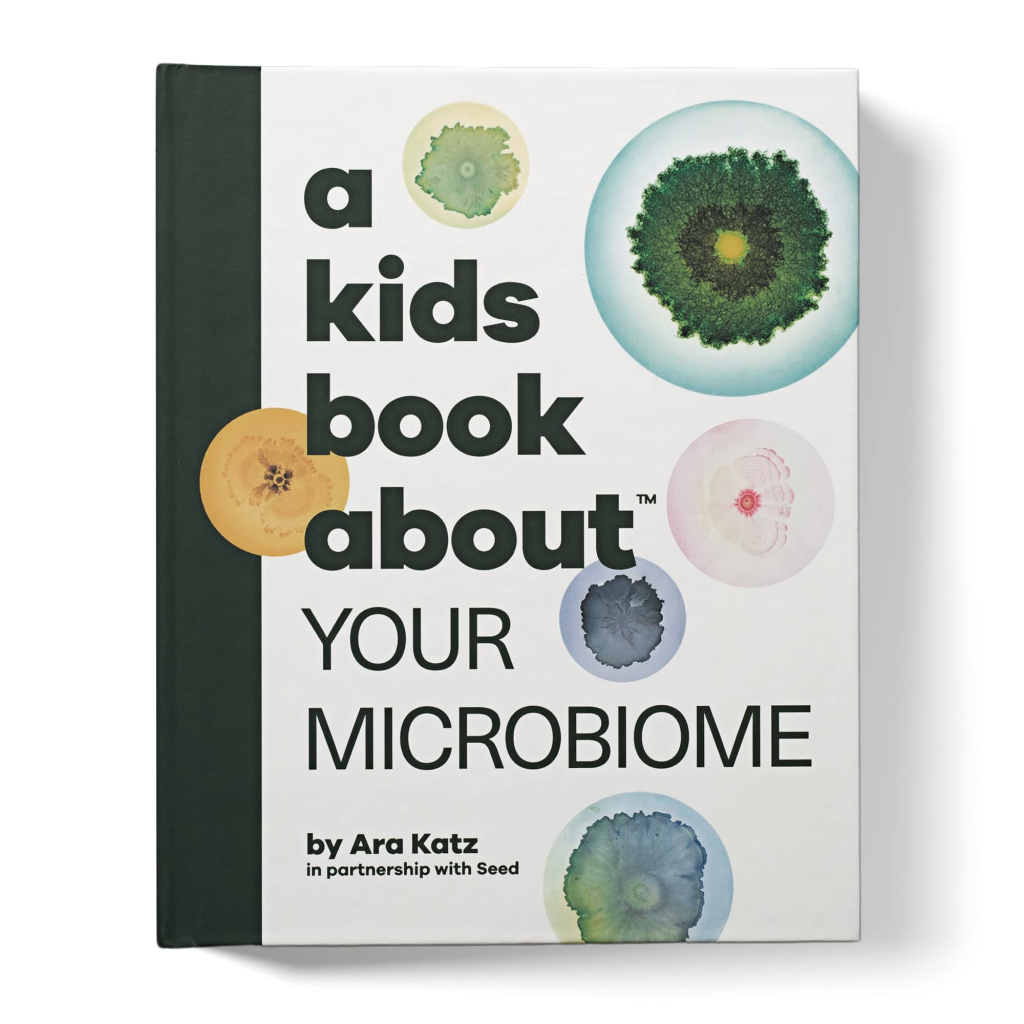
Ara Katz, co-CEO of Seed Health, highlighted how the microbiome is emerging as a key player in shaping long-term health trajectories. She pointed out that our microbiome is the interface between our bodies and the world, affecting everything from digestion to immunity and even mental health. Interestingly, she noted that nearly every FMCG category—including healthcare, skincare, oral care, fabric care, food and beverage —has a role to play in maintaining a healthy microbiome. This perspective reframes wellness as a systems-level challenge, encouraging industries to collaborate more closely to create microbiome-friendly products and policies.
So what for fmcg? Ara had the quote of the day when she said that “science isn’t finished until it is communicated”. R&D teams MUST build articulacy muscle to ensure their new products are clearly communicated and understood by all stakeholders.
Final Thoughts: A Future Shaped by AI, Biology, and Collaboration
WIRED Health 2025 made one thing very clear: all health innovation is highly interconnected. While the above breakthroughs are reshaping medicine, they also present major opportunities for FMCG R&D.
From AI-driven ingredient discovery to the microbiome’s role in skincare and nutrition, adjacent category insights can fuel next-gen product development. The most forward- thinking R&D teams won’t wait for these trends to trickle down, they’ll proactively engage, collaborate, and experiment to create new, meaningful solutions.