5 Sustainable Pack Innovations | Empak NEC 2025
Empak NEC 2025 saw thousands of packaging engineers, innovators and business leaders come together. This blog looks at five innovation case studies, highlighting the sustainability trends on show.
Empak NEC on 12th and 13th February 2025 saw thousands of packaging engineers, innovators and business leaders come together. This blog looks at five innovation case studies, highlighting the sustainability trends on show.
At Untapped Innovation, we help R&D teams develop breakthrough products. Packaging is a critical part of this work. The global packaging market was sized at $1.3 trillion in 2023, with 3.6% CAGR and the fastest growth in the Asia Pacific region. Paper and paperboard are the formats growing the fastest, driven by increasing consumer demand for environmentally friendly materials and a complex set of regulations including PPWR, EPR, DRS, SUPD, plastic tax as well as local regulations and the global plastic treaty. PPWR has the highest impact for the EU in terms of waste reduction and recycling / reusability.
Sustainability trends in action
There were countless examples of sustainability trends in action at the conference, including:
- Moving away from plastic to paper
- Barrier coatings that still meet the 5% recycling limit
- Bio based or compostable plastics (S Korea innovative in this area, e.g. microwave packs)
- Replacing virgin plastics with e.g. 50% post consumer recycled plastic (PCR) such as rPET and rHDPE to improve circularity (but watch outs on quality and demand outpacing supply)
- Reducing the weight of materials, e.g. especially in glass, e-commerce
- Replacing shipping materials with flexible paper bags, and reducing void space
5 Sustainable Solutions | Case Studies
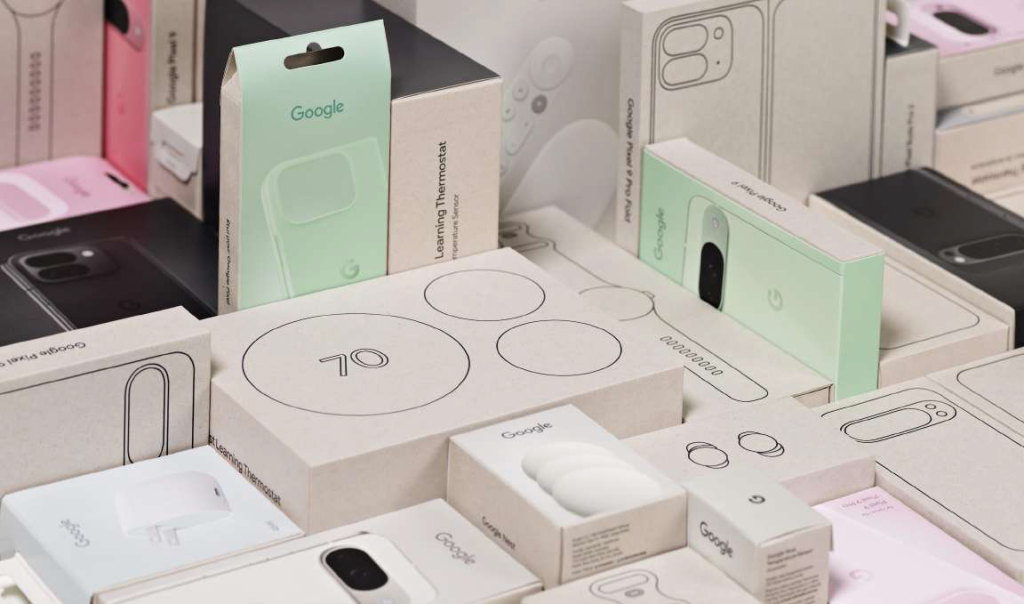
1 | Google’s removal of plastic in their packaging
Such as Pixel phones and Nest home automation systems.
Miguel Arevelo, Google’s Head of Packaging Sustainability, talked about their journey to plastic free packaging. This included new protective paper coatings to replace PP lamination, new structural features and specialised adhesives for fibre-based closure labels to replace shrink wrapping, protective paper wraps, inbox moulded fibre trays. This redesign was user-led, enhancing the unboxing experience and building in signals of recyclability, such as visual fibrous cues rather than smooth white plastic looking finishes. Further details are shared in Google’s Plastic Free Packaging Design Guide.
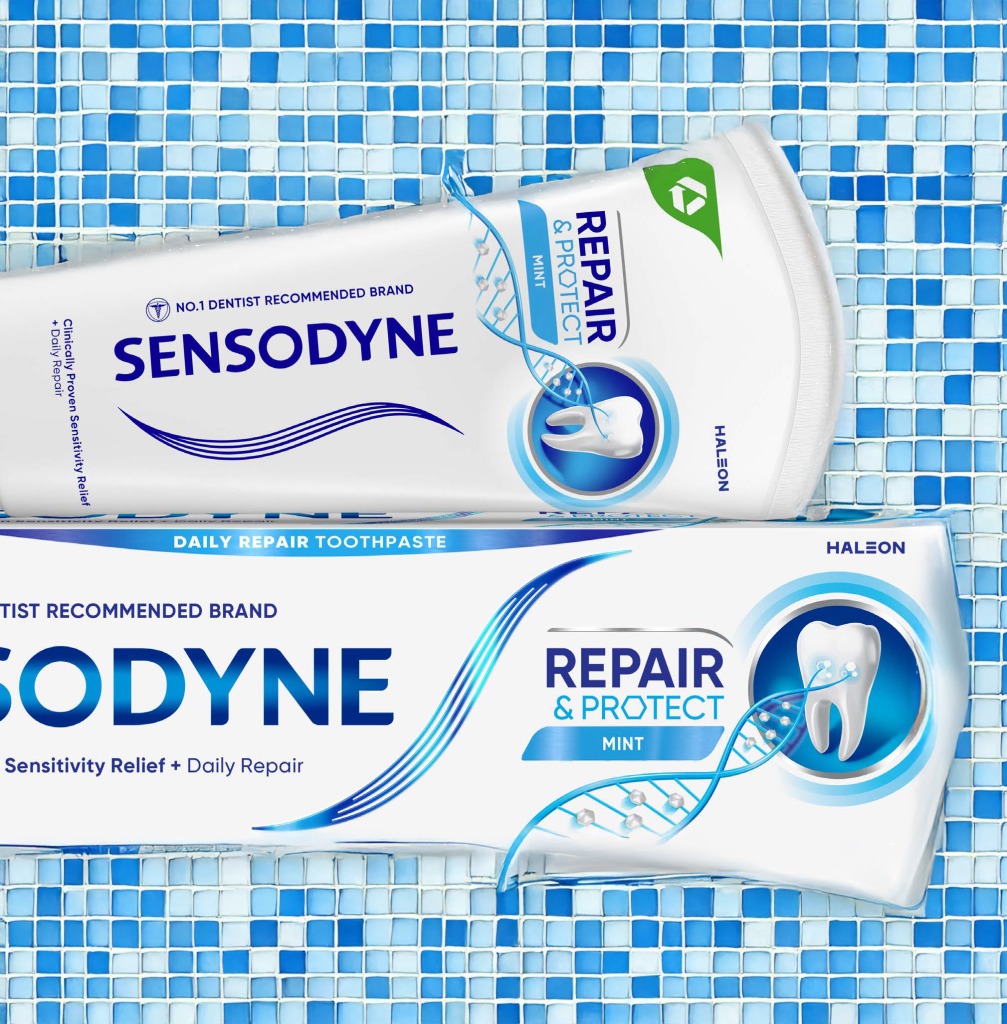
2 | Mono-material toothpaste tubes from WRAP
In collaboration with companies like Haleon, Colgate Palmolive, P&G and Unilever.
Removing the aluminium barrier layer that makes separation difficult in recycling, the tubes are designed only from PP or PE and meet EPR legislation for kerbside recycling. This helps address the problem that today only 10% of bathroom products end up in recycling.
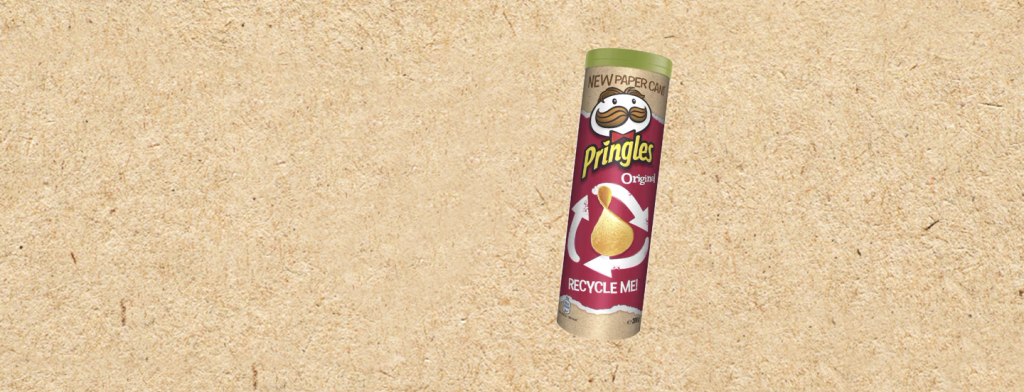
3 | Recyclable redesigned paper-based Pringles tubes
From Sonoco / Kellanova Europe
In this redevelopment, the metal bottom of the tube has been replaced with fibre and the tube is made from mostly recycled materials, also supporting circularity.
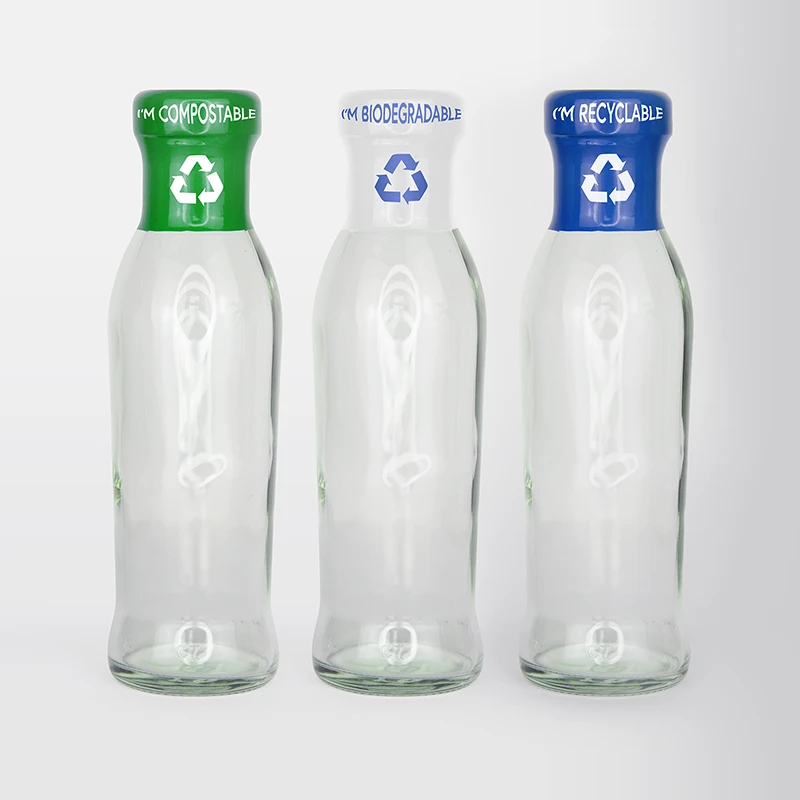
4 | Plastic free biodegradable and compostable shrink sleeves
From VISCOSE made from sustainable wood pulp.
These shrink sleeves prevent tampering and counterfeiting and provide a visual hygiene cue. They are hand applied at room temperature and self-shrink, avoiding heat and machinery.
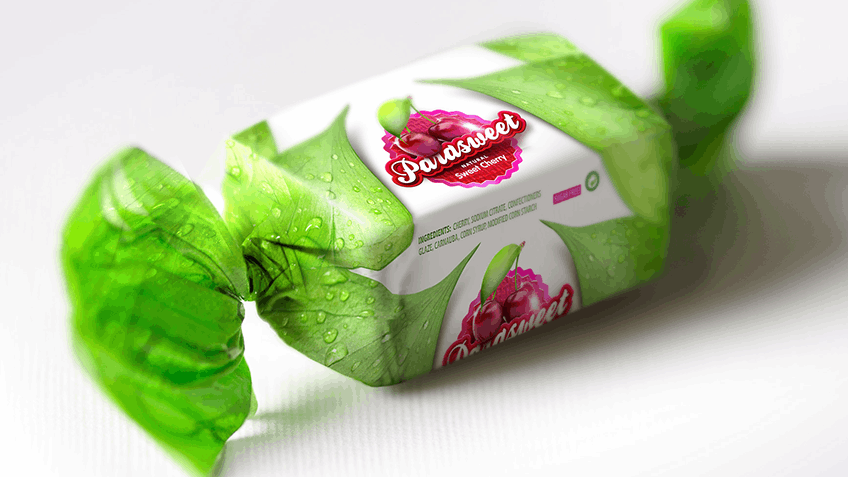
5 | NowaxTM vegetable based coatings
For paper and other films from Paramelt
They are recyclable and biodegradable and can be used in twist and fold wraps for confectionary, cheese, meat and fast food wrap as well as for in-mould labelling.
Final thoughts
All these examples showcase sustainability trends, but in order to achieve their benefits they will need to be intuitive for consumers to know that they can be recycled. There is confusion around current recycling labelling and the do / say gap means that packaging innovators must work with consumers to design in material cues and claims to help, e.g. Google paper visual cues and the Pringles “Recycle me, new paper tube” claim.