The Future of Packaging: What R&D Can learn from Empak 2026
At Empak 26, experts across R&D, data and branding explored how consumer-first packaging is evolving beyond protection and compliance to deliver emotional connection, trust and smarter digital experiences. From QR-enabled simplification to behaviour-led design and luxury brand equity, the discussion highlighted practical tools R&D teams can use today to create faster, simpler and more personalised packaging for tomorrow.
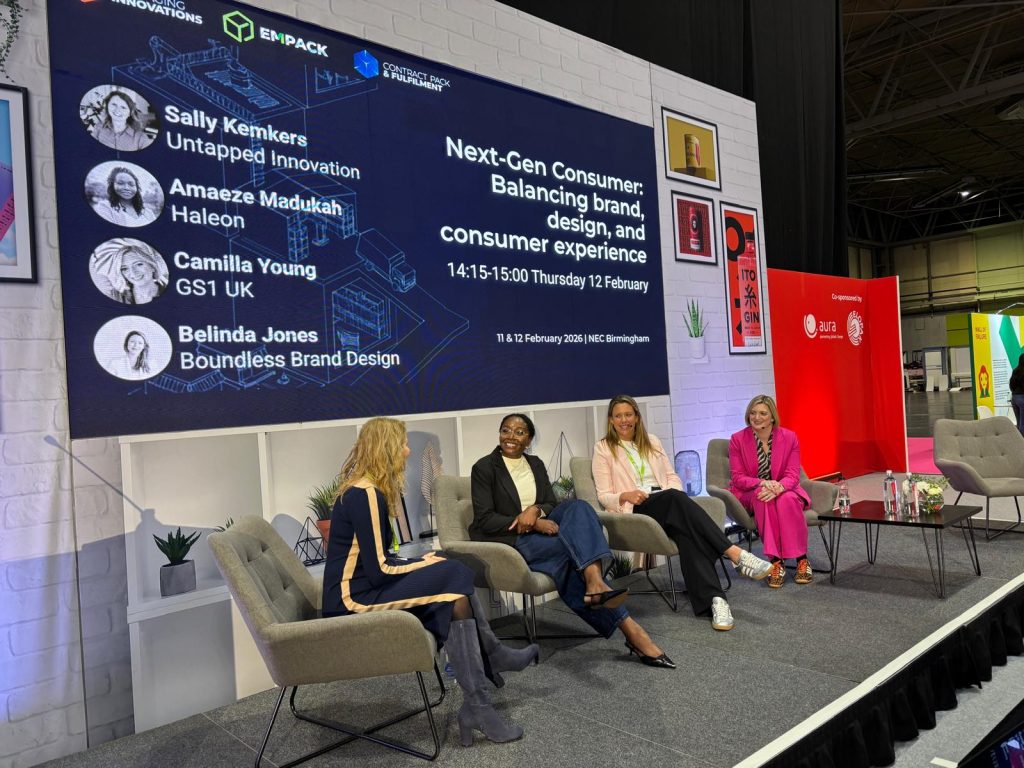
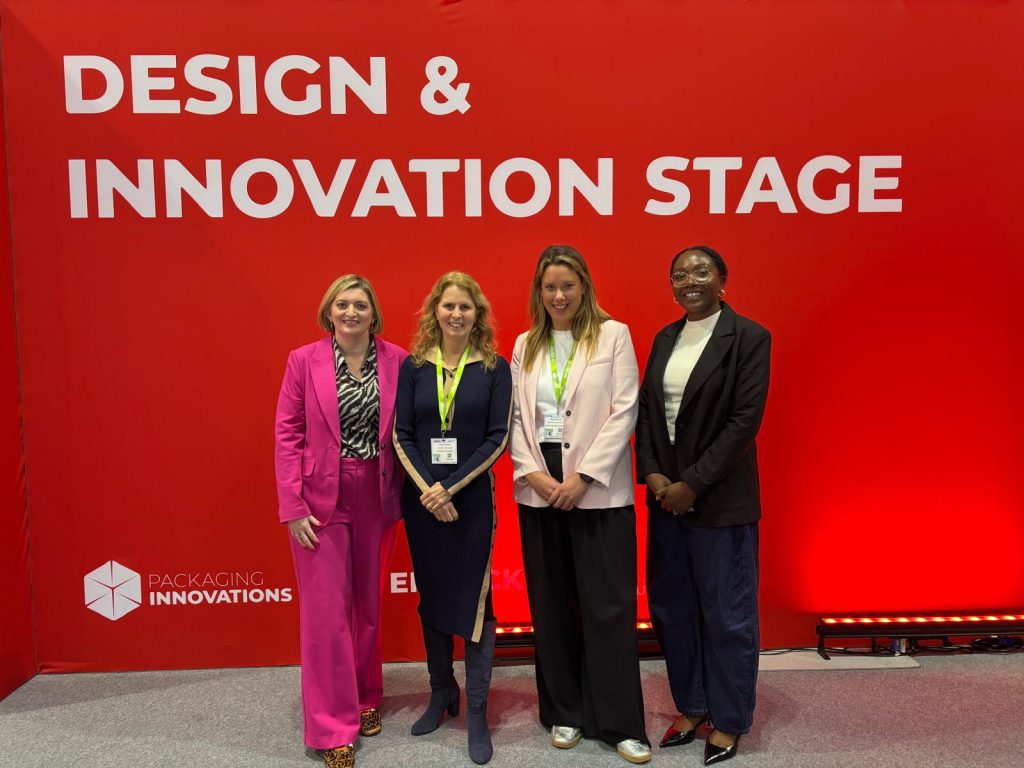
I had the good fortune to chair a panel at Empak 26 / The Packaging & Innovation Symposium, bringing together three experts across R&D, data and information and branding.
Together, we explored the growing need for consumer-first packaging that goes beyond protection, compliance and shelf presence and that connects emotionally, builds trust and tells a brand story, while doing so sustainably.
How QR codes are transforming packaging
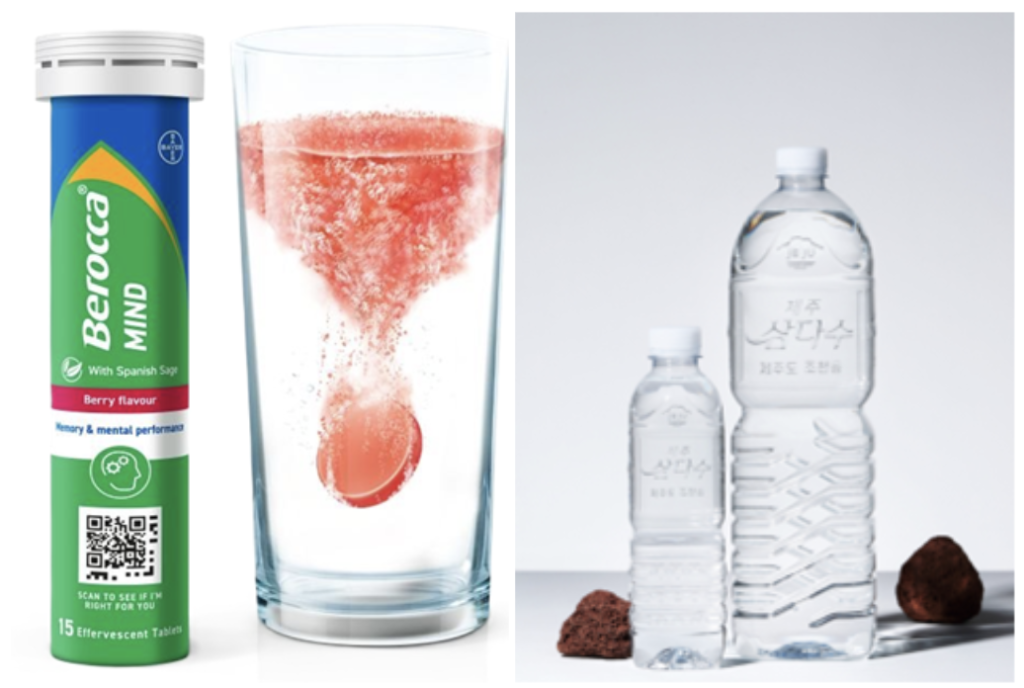
Camilla Young, programme lead at GS1 shared how QR codes are replacing traditional bar codes and unlocking new possibilities for packaging. By shifting information into a digital space, packaging can be simplified by stripping out text and the need for secondary packs whilst retaining the wealth of information accessible via a code scan. The supplied information can also change depending on who is accessing it, creating a more tailored and relevant experience for the user. In some cases, e.g. on an information-low product like bottled water, the need for traditional labelling is removed all together as a printed QR code on the cap acts as the gateway to the information the consumer needs.
These changes are already underway and are expected to become mainstream by 2027, paving the way for consumer-first packaging experiences that are faster, simpler and more personalised. As Camilla put it, “consumer-first means helping people make a quick and good decision about whether this is the right product for me.”
Human-centered packaging
Amaeze M., Consumer Science Product Experience project lead at Haleon, brought an invaluable R&D perspective to the discussion, focusing on how packaging builds compliance, trust and an emotional connection without over-whelming its users. She shared the example of how Otrivine decongestant nasal mist has designed-in controlled dosing with outer pack clearer usage direction, for easier habit adoption and a better user experience. Amaeze also highlighted the importance of observational packaging usage research in understanding how people really interest with products in their everyday life. By tackling the say-do gap, teams can uncover actual usage habits across the full user journey rather than relying solely on what consumers claim. She described how new technology solutions are now enabling in-context research around the world, including video capture and simultaneous translation, ensuring the whole team can observe behaviour faster, more effectively and at lower cost.
Protecting Brand equity while elevating luxury
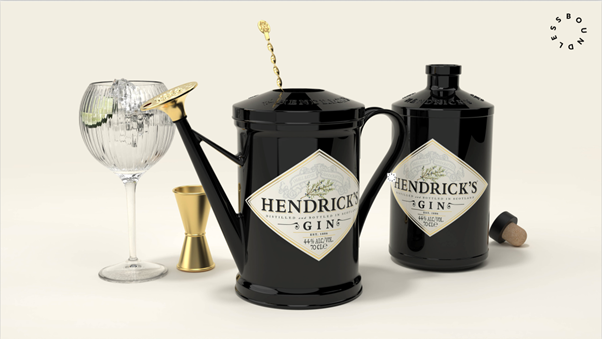
Belinda Jones, lead Client Services Director at Boundless Brand Design agency added a valuable branding perspective to the discussion. She described how packaging must build a meaningful connection with its consumers, going beyond functionality to create something emotionally engaging and memorable. Belinda shared an award-winning example: Hendrick’s Gin Whimsical Watering Can, to illustrate how luxury brand designers can successfully retain core elements of their brand identity to stay relevant to loyal users, while also flexing through special editions that surprise, tell an engaging story and offer a luxurious reuse sustainability angle.
Key Takeaways for R&D
One of the most inspiring themes from this panel was just how much opportunity sits in front of R&D teams to shape the future of consumer-first packaging.
The experts shared a clear set of practical actions that can help embed consumer-first thinking into packaging development and it starts with being brave enough to design a packaging usage ritual that is stripped back to just what’s truly needed. It means making bolder choices and design in just the most critical user-led packaging attributes. For R&D to create solutions that feel intuitive, supportive and emotionally resonant, Start with observing true behaviours and getting to the tensions, pain points and needs, then prototype and test your way early-on to consumer-led solution.
For today’s packaging developers, these are powerful tools and encourage R&D to simplify with purpose, design with empathy, and innovate with the consumer needs at the core. Great advice for today’s packaging developers, to help meet tomorrow’s needs.