Packaging Innovation on Show at London Packaging Week 2025
Packing Innovation On Show At London Packaging Week 2025 Two days at London Packaging Week left me energised by many examples of how packaging is evolving. As a user-centric product developer, I see this convergence between feeling and function as the most exciting design frontier – where empathy, inclusivity and circularity meet creativity and impact.
Two days at London Packaging Week left me energised by many examples of how packaging is evolving. Once designed purely to protect products and stand out on shelf, packaging is increasingly playing a far deeper role. The most effective packs connect emotionally, tell a story, deliver a great experience, and do so sustainably.
As a user-centric product developer, I see this convergence between feeling and function as the most exciting design frontier – where empathy, inclusivity and circularity meet creativity and impact.
Standout Inspirations
A few award-winning examples from across the event captured the direction of travel – inclusive, emotive, circular and smartly designed for both people and planet:
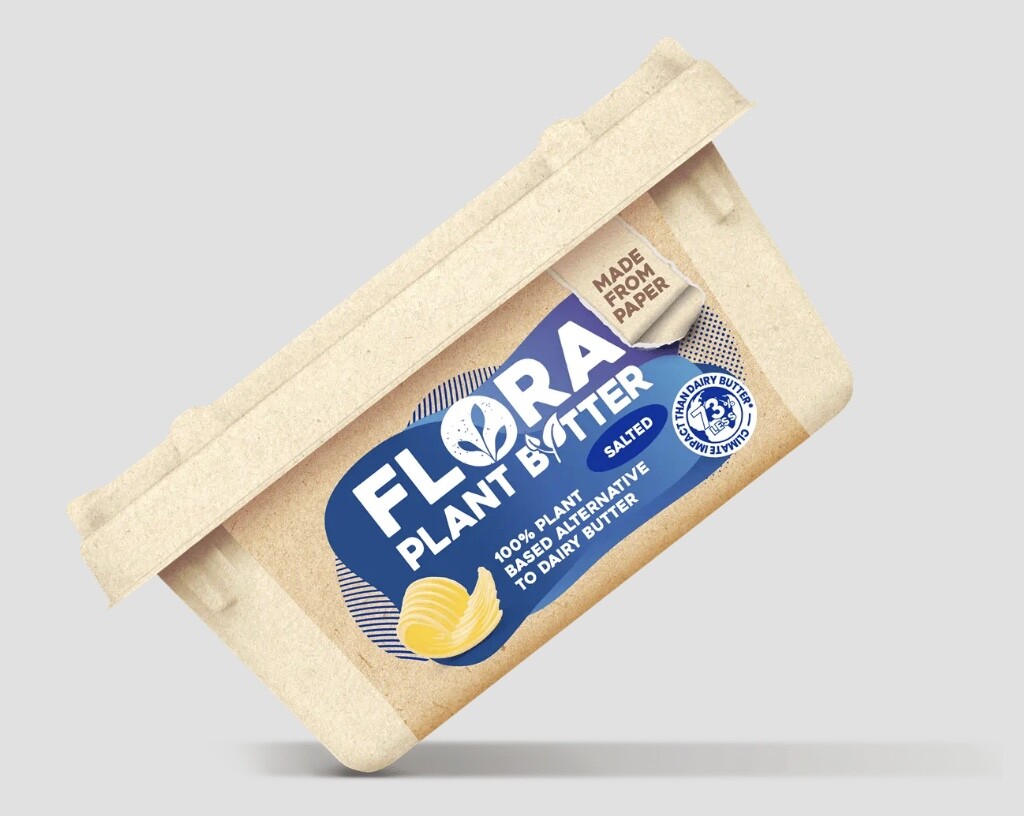
1) Practical paper: Flora’s plastic free paper-based tub and lid is oil resistant and fully recyclable.
2) Accessible beauty: Tilt Cosmetics’ ergonomic designs are beautiful and make packs easier to open, hold and apply.

3) Refill elegance: Daisyface Skincare’s refillable outer pack combines aspiration and practicality. An airless pump is integrated into a “forever vessel” that users can unscrew and keep adding refills to.

Blond’s packaging for Daisyface
4) Recyclable luxury: Fenty Beauty’s 100% recyclable tint sticks are twisted up to dispense every last drop, without the need for rinsing before recycling.

5) Sustainable care: Rhyme & Reason Haircare packs use 100% post-consumer recycled (PCR) material in space saving, durable formats.

The Emotional Power of Packaging
Claire Hoe from Sun Branding reminded us that packaging can bring emotional territories to life from Pleasure and Reassurance to pure Experience.
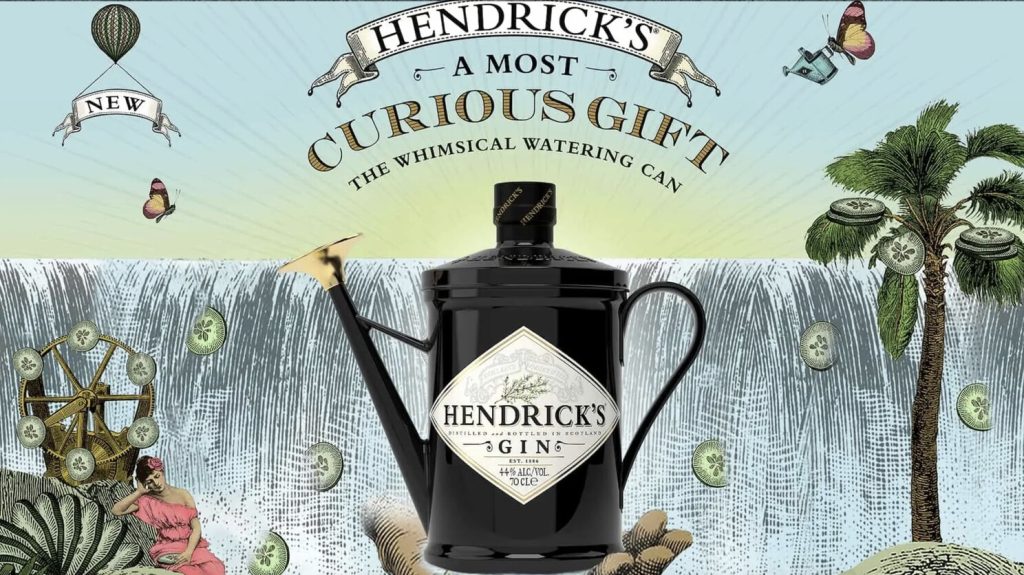
One example she shared stood out for me: Hendrick’s Gin’s “whimsical watering can.” This award-winning pack delivers both artistry and sustainable functionality, transforming a simple gift into the story of a reusable watering can that embodies the brand’s spirit. It’s a reminder that great design can evoke surprise, curiosity and joy while reducing waste.
Dewi Pinatih (Stylus) and Aaron Bulter (Boots No7) shared some great future facing examples of packaging that express their brands’ authenticity through creativity, craftsmanship and meaningful storytelling.
Packaging is no longer judged just on shelf impact, but on its ability to create a whole experience – from the tactile moment of opening to the shareable “unboxing” story online. As Dewi put it, “Social scrollability” matters.
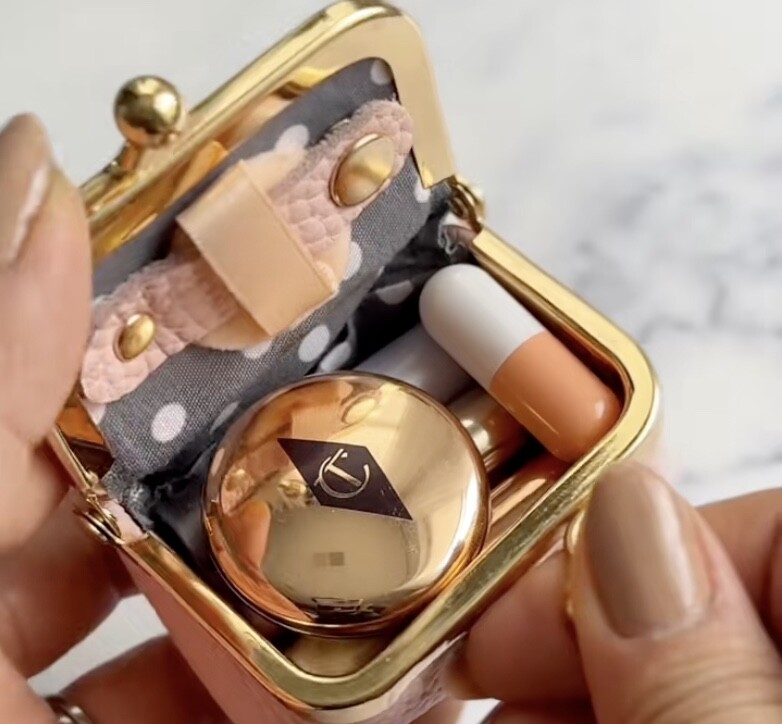
I love this example of a Mini Makeup Bag, trending on TikTok.
Inclusive by Design
Amit Arora (Haleon), Morgan Blaydes (Google) and Lucy Burgess (Touch Design) offered an inspiring look at inclusivity as both a moral and commercial imperative. With an ageing population and diverse user needs, designing for accessibility is fast becoming a strategic advantage.
Haleon’s approach, asking “who are we excluding today?” reframes accessibility as innovation. For Google, it’s about making every pack physically tangible and easy to interact with. Many companies are now conducting ethnographic research with physically impaired users to ensure that if they “design for one, it will appeal to many.”
Inclusive design reminds us that usability is emotional too. Removing frustration builds trust and connection.
The Sustainability Imperative
The highly informative “Refill, Reuse, Rethink” panel was chaired by Sebastian Munden (WRAP) with leaders from Tesco (James Bull), WWF (Paula Chin), Go Unpackaged (Catherine Conway) and SUEZ (Stuart Haywood-Higham). They provided a positive update on progress under the UK Packaging Pact. Since launch, plastic use has fallen 7%, and 98% of unnecessary packaging has been eliminated.
The panel highlighted challenging focus areas ahead:
- Elimination of further materials. Success stories to date include lightweighting and black plastic elimination but more is needed to meet targets.
- Scaling reuse, from return-to-store, online and kerbside collections to smart refill systems.
- Infrastructure investment, such as national wash plants to enable reuse at scale and meeting English legislation for kerbside collection of flexible plastics by end March 2027.
- Data transparency, via open source sharing in a standardised way to drive continuity and conformity.
Future progress will be driven by
- Cross-industry collaboration,
- Policy including increasing EPR fees to drive financial incentive,
- A resilience vs. risk approach to resources and
- Building trust with consumers by helping them understand “why” so they can act on “what.”
Behaviour change was summed up brilliantly: “We need 90% of people doing the new thing 90% right, 90% of the time.”
Diageo’s session with Miranda Essex and Katy Vallence showcased how circular design can work commercially. Their partnership with ecoSPIRITS allows bottles to be refilled up to 150 times, while their own Everpour kegs enable on-trade refill directly at the bar.
To make such initiatives work, Diageo’s teams observe how bartenders use their systems, refine based on feedback, and design solutions that work for everyone in the value chain. This user centric testing is an iterative, data-driven process, the key to innovation. Both models cut waste, reduce exposure to EPR fees, and improve business resilience.
Closing Reflection
Across all the talks, one truth stood out: packaging is becoming the most human part of the product experience. It’s where brand, behaviour and responsibility meet. The best designs no longer just contain, they connect.
As I spoke about on day 1 of the conference in a panel chaired by Tanguy Pellen, as product developers, our challenge is to bring empathy and experimentation into every stage of design, keeping user needs at the centre. Because when we create packaging that feels as good as it functions, we build loyalty that lasts far beyond the shelf.
The challenge to manufacturers is to do this in a sustainable way by continuing to work together across the industry. As Christiana Figueres, architect of the Paris Agreement, says: “It has to be an everyone-in effort.”